There’s a moment most Reading homeowners eventually face. You’re sitting on your sofa after a long day, and you notice it that faint, musty smell that wasn’t there last winter. Or maybe it’s the stubborn gray shadow on the armrest that no amount of scrubbing seems to fix. You’ve tried the store-bought sprays. You’ve blotted, dabbed, and spot-treated until the fabric looks more worn than the stain itself. And somewhere in the back of your mind, you’re wondering: is the damage already done?
Here in Berks County, this is more common than most people admit. The humidity that rolls in each summer, the pollen that blankets Reading from March through May, the tracked-in grime from winter all of it settles into your furniture far more deeply than it settles anywhere else in your home. Upholstered pieces act like sponges. They absorb everything: allergens, pet dander, cooking odors, bacteria, and moisture. By the time you see visible evidence of the problem, the damage to the fabric, foam, and frame has often been building for months.
That’s exactly why homeowners across Reading, Wyomissing, Exeter Township, and the surrounding communities have turned to Kauffmans Carpet Cleaning for reliable, professional furniture cleaning that goes well beyond surface-level results. With deep experience in both residential upholstery care and hard-surface cleaning, Kauffmans has built a reputation in the area not just for quality work, but for genuine results that protect what you’ve invested in your home.
What Your Furniture Is Actually Holding Onto (And Why It Matters)
Most people think of furniture dirt as visible: crumbs, spills, pet hair. But the real concern — the kind that quietly shortens the life of your upholstery and affects the air quality inside your home — is invisible.
Microscopic dust mites thrive in fabric-covered furniture, particularly in climates like ours where indoor humidity fluctuates season to season. According to EPA guidance on indoor air quality, these allergens are a leading trigger for asthma and respiratory irritation, especially in children. Add to that mold spores that can take hold in damp upholstery after a humid Reading summer, and you start to see furniture not just as a comfort item, but as a genuine air quality factor in your living space.
Beyond health concerns, there’s the structural reality. Dirt particles that embed deep into fabric fibers behave like sandpaper. Every time someone sits, shifts, or leans against cushions that haven’t been professionally cleaned, those particles grind against the fibers and accelerate wear. Fabric that might have lasted another decade starts to thin, pill, and fade far sooner than it should.
This is the hidden cost of skipping regular upholstery maintenance — and it’s a cost that most homeowners only understand after it’s too late to reverse.
Why Reading’s Climate Makes Furniture Cleaning a Year-Round Concern
If you’ve lived in Reading for more than a few seasons, you already know the weather doesn’t do anything halfway. Winters bring road salt, mud, and wet boots that get tracked across every surface in the house. Spring arrives with some of the highest pollen counts in Pennsylvania — and all of it finds its way onto your furniture through open windows, clothing, and pets. Summer humidity lingers indoors even with air conditioning, creating conditions where moisture-trapped fabrics can develop odors or early-stage mildew.
By the time fall arrives, your upholstered furniture has absorbed an entire year’s worth of seasonal stress. It’s no coincidence that many experienced homeowners in Berks County schedule a professional furniture cleaning in late fall or early spring — right before or after the worst of each season hits.
A few specific concerns worth knowing about:
- Pollen season (March–May): Soft furnishings near windows or frequently used by allergy sufferers accumulate pollen rapidly, worsening indoor allergy symptoms
- Summer humidity: Trapped moisture in cushion foam creates the conditions for odor development and bacterial growth
- Winter grime: Salt, mud, and tracked-in debris embed into sofa bases and chair cushions faster than most homeowners realize
- Pet shedding cycles: Dogs and cats shed most heavily in spring and fall — peak times for dander accumulation in upholstery
Understanding these seasonal rhythms isn’t just useful — it’s the foundation of a smart, cost-effective maintenance strategy for your furniture.
The Difference Between DIY Spot Cleaning and Professional Upholstery Care
Let’s be honest about something. Spot-cleaning a stain yourself isn’t wrong. For fresh spills on certain fabrics, a clean cloth and the right technique can absolutely limit damage. The problem is when DIY treatment becomes a substitute for professional deep cleaning — or when it makes things worse.
Here’s what most homeowners don’t realize:
1. Over-wetting is one of the most common DIY mistakes. Applying too much liquid to upholstery pushes the stain deeper into the padding, where it dries and bonds to the material. What looks like a cleaned surface may actually have residue buried beneath it.
2. The wrong cleaning product can permanently set a stain. Many retail upholstery sprays contain chemicals that react poorly with certain fabric types. Microfiber, velvet, and blended fabrics are particularly vulnerable to discoloration or fiber damage.
3. Odors don’t leave — they just hide. Pet accidents, food spills, and sweat can seem resolved after surface treatment, but the bacteria causing the odor remain in the deeper layers. They come back the moment humidity rises, usually during Reading’s summer months.
4. DIY cleaning doesn’t address allergen removal. Wiping a surface clean and actually removing the dust mites, pollen, and dander embedded in fabric fibers are two entirely different things. The latter requires professional-grade equipment.
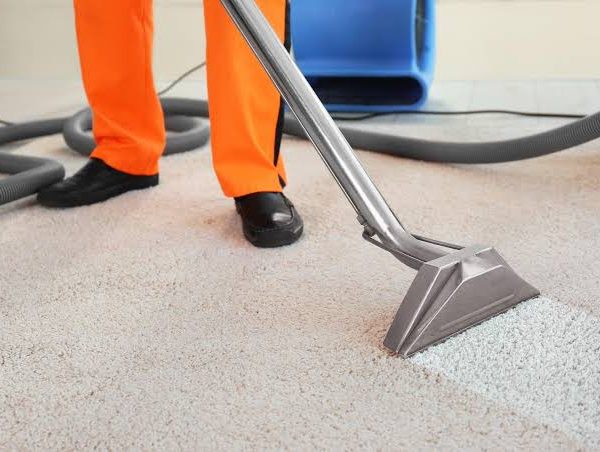
This is where experienced professionals like Kauffmans Carpet Cleaning make a real difference. Using commercial-grade hot water extraction and low-moisture techniques suited to different fabric types, they reach the deep-down contamination that household products simply can’t touch.
Warning Signs Your Furniture Needs Professional Attention Right Now
You don’t always have to wait for a visible disaster to act. These are the signs that indicate your upholstery needs professional cleaning — and that waiting will likely make the problem more expensive to correct:
- A persistent smell that returns even after surface cleaning, especially after humid weather
- Visible darkening or shadowing along frequently-touched areas like armrests and headrests
- Fabric that feels stiff, rough, or tacky — an early sign of embedded dirt buildup
- Family members with unexplained allergy flare-ups or respiratory irritation at home
- Pet stains that have been spot-treated but still cause odor
- Cushion fabric that looks faded or matted in specific areas
- Visible mold or mildew spots, especially on furniture in basements or poorly ventilated rooms
If any of these sound familiar, the sooner you bring in a professional, the better the outcome. Fabric damage and odors worsen over time, and early intervention almost always means lower cost and better results.
What Kauffmans Carpet Cleaning Actually Does During a Furniture Cleaning Service
Understanding what goes into a professional carpet cleaning helps you appreciate why the results last. Kauffmans doesn’t apply the same process to every piece of furniture — because every piece is different. Fabric type, construction, age, and the nature of the soiling all determine the right approach.
Here’s what a typical professional furniture cleaning process includes:
Pre-inspection and fabric identification — Different fabrics respond differently to moisture, heat, and cleaning agents. Identifying the fabric type upfront prevents damage and ensures the most effective technique is used.
Pre-treatment of stains and high-traffic areas — Problem spots are treated with appropriate solutions before the main cleaning begins, giving them time to break down for better extraction.
Deep extraction cleaning — Using professional equipment, embedded dirt, allergens, bacteria, and residue are pulled from deep within the fabric and foam — not just the surface.
Odor neutralization — Not masking odors, but targeting the bacterial and organic sources at their origin. This is especially critical for pet odors, which require enzyme-based treatment to fully resolve.
Fabric protection application (optional but recommended) — A protective treatment can be applied after cleaning to help the fabric resist future staining and make ongoing maintenance easier.
Controlled drying — Proper drying technique prevents new odor development from moisture left in the padding. This is something most DIY attempts completely overlook.
The result isn’t just cleaner furniture. It’s furniture that looks better, smells neutral, lasts longer, and contributes to a healthier home environment.
Upholstery Fabric Types Common in Reading Homes — and Why Cleaning Approach Matters
Not all furniture is treated equally, and a dependable professional service accounts for this. Reading homeowners have a wide range of furniture styles and fabric types, from older homes in the historic downtown neighborhoods to newer builds in Spring Township and Muhlenberg Township.
- Microfiber — One of the most popular materials in modern furniture, microfiber is highly effective at trapping dust and dander. It requires low-moisture cleaning to avoid watermarks.
- Cotton and linen blends — Common in older and vintage furniture, these fabrics are prone to shrinkage with excess moisture and need careful, controlled cleaning.
- Velvet and chenille — Luxury fabrics that require specialized dry or low-moisture techniques to preserve pile and texture.
- Leather and bonded leather — Require conditioning treatments rather than standard upholstery cleaning. Improper treatment can cause cracking or peeling.
- Synthetic blends (polyester, nylon) — Generally more durable and forgiving, but still benefit from professional extraction to remove deep contamination.
If you’re unsure what your furniture is made from, a professional inspection before cleaning is always the right move. Kauffmans’ team knows how to identify fabric codes and construction — the kind of practical expertise that only comes from years of hands-on experience.
How Furniture Cleaning Fits Into Your Broader Home Care Strategy
Furniture cleaning doesn’t exist in isolation. Your sofas, chairs, and cushioned pieces share your home’s air with your carpets, rugs, and hard floors. If one area holds allergens and bacteria, it affects the rest. This is why many Berks County homeowners combine professional furniture cleaning with carpet cleaning services for a comprehensive indoor air quality reset.
If you have pets, pairing upholstery care with pet stain and odor removal services addresses the problem at every level — not just where it’s visible. And if you’re planning a deep-clean of your home before or after a major season, Kauffmans’ service area coverage across Reading and surrounding communities makes it straightforward to schedule everything together.
There’s a real cost efficiency to bundling services, and a reliable cleaning company that knows your home’s specific layout and materials is an asset you don’t have to rebuild every time.
The Real Cost of Waiting: Why Procrastination Costs More
Here’s the uncomfortable math. A sofa that gets professionally cleaned every 12 to 18 months can realistically last 10 to 15 years with proper care. A sofa that’s never professionally cleaned — or only treated reactively after serious damage — may need replacement in half that time.
In Reading’s housing market, quality furniture isn’t cheap. A mid-range sectional or quality armchair represents several hundred to several thousand dollars. Spending a fraction of that on periodic professional cleaning to preserve it isn’t a luxury — it’s basic financial sense.
Beyond replacement cost, there’s the health cost. Chronic allergen exposure from neglected upholstery doesn’t just cause discomfort. Over time, it can contribute to respiratory issues that require medical attention — an outcome that no cleaning bill comes close to matching in cost.
Prevention is simply cheaper than cure. That’s not a slogan; it’s the practical reality every experienced homeowner eventually reaches.
Conclusion
Your home is more than walls and floors. The furniture your family sits on every day, the upholstery that takes the wear of real life — it all deserves real care. Not a quick spray and wipe, but the kind of thorough, professional attention that actually restores and protects.
Kauffmans Carpet Cleaning has earned the trust of homeowners throughout Reading, Wyomissing, Shillington, Laureldale, and across Berks County by delivering results that last — not just clean furniture for a week, but a genuinely healthier, better-maintained home environment. Their experience with local conditions, local homes, and local customers isn’t something a national franchise can replicate.
If you’ve been noticing the smell, the stains, the worn fabric edges, or the seasonal allergy flare-ups that never quite go away — don’t wait for the damage to deepen. Contact Kauffmans Carpet Cleaning today, describe what you’re dealing with, and let an experienced local team tell you exactly what your furniture needs. The longer you wait, the harder the fix — and the closer your furniture gets to a replacement you shouldn’t have to make.
Frequently Asked Questions
How often should furniture be professionally cleaned in Reading, PA?
For most households in Berks County, professional furniture cleaning every 12 to 18 months is a reasonable baseline. If you have pets, children, or household members with allergies, every 6 to 12 months is worth considering. Reading’s humid summers and high-pollen springs mean upholstery accumulates contamination faster than in drier climates, so annual cleaning tends to pay off in both appearance and air quality.
Will professional furniture cleaning remove pet odors completely?
In most cases, yes — but it depends on the extent of the soiling. Surface-level pet odors from dander and light contact usually respond well to professional cleaning. For deep urine contamination that has reached the cushion foam or the furniture frame, enzyme-based odor neutralization combined with extraction cleaning is needed. Kauffmans uses targeted odor treatment for exactly these situations, which is why results tend to be far more lasting than DIY approaches.
Is professional upholstery cleaning safe for all fabric types?
A reputable professional service always identifies the fabric type before choosing a cleaning method. Fabrics with manufacturer codes like “W” (water-based cleaning), “S” (solvent-based only), or “X” (vacuum only) each require different approaches. Kauffmans’ team is trained to read these codes and adapt accordingly, which protects your furniture from the accidental damage that can happen with one-size-fits-all products.
What’s the drying time after professional furniture cleaning?
This depends on the fabric, the cleaning method used, and the level of moisture involved. Most upholstered pieces dry within 2 to 6 hours under normal conditions. Low-moisture techniques, which are often used on delicate fabrics, dry faster — sometimes in under 2 hours. Proper air circulation speeds the process. Your cleaning team will give you a realistic expectation based on your specific furniture and the day’s conditions.
Can furniture cleaning help with indoor allergy symptoms?
Yes, and this is one of the most meaningful reasons homeowners in Reading schedule professional upholstery care. Upholstered furniture is one of the primary reservoirs for dust mites, pet dander, and pollen inside a home. EPA indoor air quality guidance consistently points to soft furnishings as key allergen sources. Professional extraction cleaning removes a substantial portion of these allergens — something surface cleaning and vacuuming alone cannot achieve. Many families notice a real difference in daily comfort within days of a thorough professional cleaning.
How do I prepare my home before a furniture cleaning appointment?
You don’t need to do much. It helps to remove any decorative pillows, throws, or personal items from the furniture beforehand so the team can access all surfaces easily. If you have pets, keeping them in another area during and for an hour after cleaning helps them stay comfortable and keeps the cleaned surfaces undisturbed while they dry. Kauffmans will handle everything else — there’s no need to pre-treat or pre-clean before they arrive.