Discover the hidden benefits of hiring a professional carpet cleaning service in Reading, PA to eliminate deep allergens, remove tough stains, and extend fabric life.
Indoor floor coverings act as a massive structural filter for a property, capturing airborne dust, tracking environmental soils, and collecting microscopic contaminants daily. Over time, the continuous accumulation of compressed grime dulls fibers and degrades indoor air quality. Routine vacuuming manages superficial debris but falls short of removing the embedded particulate matter wedged deep within the fabric backing. Engaging a specialized specialist like Kauffmans Carpet Cleaning guarantees that your textiles undergo deep thermal extraction using commercial-grade equipment and eco-safe cleansing agents.
The variable climate of Berks County introduces specific maintenance pressures, from humid summer moisture accumulation to winter road salt tracking. Managing these diverse textile issues demands an advanced understanding of fabric chemistry, fiber construction, and deep extraction physics. When local property owners recognize the physical indicators of fiber wear and the comprehensive phases involved in restorative hygiene, they can maximize their architectural investments. This educational guide analyzes extraction methodologies, indoor allergen reduction, specialized fabric care, and proactive maintenance steps required to maintain pristine residential and commercial environments.
The Hidden Mechanics of Fiber Contamination
The fibrous landscape of standard indoor flooring is engineered to trap loose particles, acting as an unintended sink for diverse environmental pollutants. Daily foot traffic compresses loose sand, microscopic skin flakes, pollen, and pet dander deep into the lower layers of the pile. Once these sharp, abrasive grit particles settle near the base, they act like miniature blades, sawing against the delicate textile strands with every step taken.
This mechanical abrasion creates permanent structural wear patterns that manifest visually as traffic lanes or dark, matted pathways. Beyond visible aesthetics, the lower layers of an unwashed floor covering can harbor millions of microbial organisms per square inch. Without deep moisture extraction, these hidden contaminants break down organically, creating musty odors and releasing fine particulate matter back into the breathing zone whenever someone walks across the room.
Understanding Sand and Soil Abrasion Dynamics
Sharp mineral soils tracked inside from the outdoors settle deep within the lower loops of the textile weave. When weight is applied from walking, these hard particles cut into the protective outer layer of the synthetic or natural fibers. Over time, this constant physical damage ruins the fabric’s ability to reflect light naturally, leaving the high-traffic zones looking permanently gray, dull, and worn out regardless of superficial vacuuming efforts.
Managing Hidden Microscopic Organic Pollutants
Damp footprints, pet accidents, and accidental food spills introduce rich organic proteins that feed microscopic dust mites and localized fungal spores. Utilizing an expert professional carpet cleaning service in Reading, PA applies high-temperature thermal rinses that completely break down these deep biological contaminants.
Health Implications of Indoor Air Quality
The quality of the air inside a home or workplace is directly connected to the cleanliness of the flooring beneath your feet. Because soft surfaces act as a continuous trap for falling dust, they prevent light allergens from swirling through the living areas continuously. However, once the fabric reaches its maximum holding capacity, it can no longer hold these particles, causing allergens to lift into the air with every step.
This airborne particulate matter can aggravate respiratory sensitivities, cause seasonal allergy flare-ups, and lower overall household comfort. Standard domestic vacuums often lack the specialized filtration needed to retain microscopic particles, frequently exhausting fine dust back into your breathing spaces. Deep thermal restoration is required to dissolve these bonds and pull the deeply embedded allergens completely out of your home.
Reducing Persistent Pet Dander and Pollen Clusters
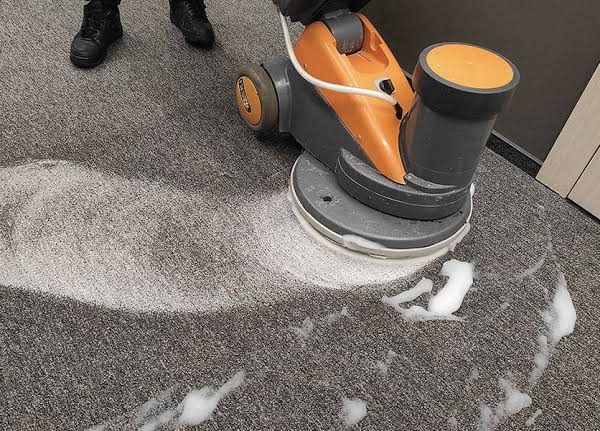
Pet dander features microscopic jagged edges that allow it to cling tightly to individual textile strands, resisting standard suction methods. Partnering with a skilled professional carpet cleaning service in Reading, PA breaks this static bond using specialized counter-rotating brush machinery and target emulsifiers. This deep agitation lifts stubborn dander and seasonal pollen clusters, providing long-term relief for family members with sensitive respiratory systems.
Eliminating Volatile Organic Compound Resonances
New furniture, indoor paints, and household chemical cleaners release chemical vapors that can become trapped within the porous structure of large room rugs. Applying a trusted professional carpet cleaning service in Reading, PA utilizes specialized pressurized steam rinses that draw out absorbed chemical residues effectively. This comprehensive extraction process helps lower lingering indoor chemical footprints, creating a safer and fresher breathing environment for your family.
Science of Modern Extraction Methodlines
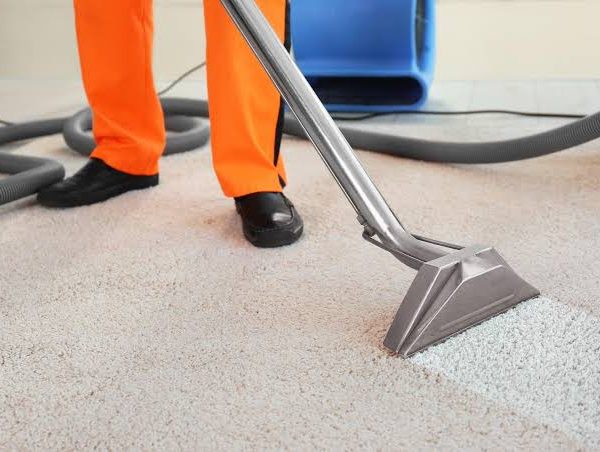
Modern textile restoration relies on advanced chemical engineering and precise temperature controls rather than simple soapy water applications. The most dependable approach utilized by industry experts is hot water extraction, often referred to as professional steam cleaning. This sophisticated process injects a carefully balanced, pressurized hot water cleaning solution deep into the fabric pile to loosen stubborn dirt.
The water temperature must be carefully calibrated based on the specific fiber type, often reaching over two hundred degrees Fahrenheit to dissolve grease. At these high temperatures, the molecular bonds holding oils and soils together break apart rapidly without requiring harsh chemical additives. Immediately following injection, high-powered truck-mounted vacuum systems pull the dirty water and dissolved soil out of the building completely.
Comparing Hot Water Extraction and Dry Chemical Foams
While dry chemical foam techniques offer fast drying times, they often leave behind micro-reserves of sticky detergent residue on the fibers. This remaining soap film acts like a magnet for fresh dirt, causing the floor to re-soil quickly after the project is completed. Hot water extraction avoids this issue by thoroughly rinsing the fibers with clean water, leaving the textile completely clean, soft, and residue-free.
Balancing Chemical Ph Levels for Spot Removal
Different types of spots demand specific chemical pH levels to ensure successful removal without causing permanent discoloration to the textile. For example, organic food spots respond best to mild acidic treatments, whereas synthetic grease tracks require a carefully balanced alkaline pre-spray. Experienced technicians test the fabric fibers first to apply the correct chemical solution, protecting the underlying dyes from bleeding.
Commercial Environment Floor Preservation
High-traffic business environments, such as medical offices, corporate centers, and retail spaces, require highly structured maintenance plans to preserve their flooring assets. Commercial floor coverings handle immense daily wear, enduring tracked-in mud, heavy equipment rollers, and frequent beverage spills. Neglecting these busy public spaces can lead to early fiber breakdown, creating an unprofessional look that leaves a poor impression on clients.
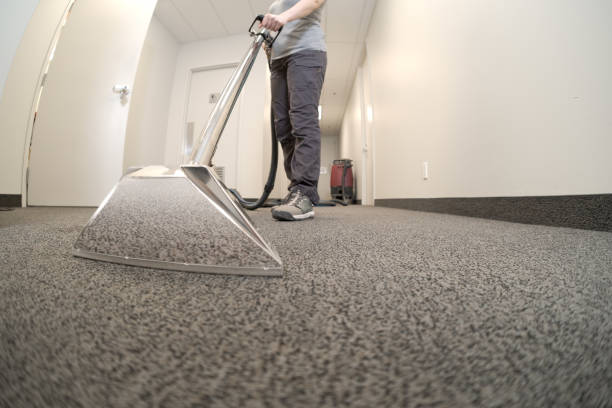
Maintaining a clean business environment requires utilizing heavy-duty extraction tools designed to clean large areas quickly and deeply. Implementing a scheduled maintenance program prevents heavy soils from wearing down the durable synthetic fibers prematurely. Regular deep cleaning also protects building occupants by lowering indoor dust counts and removing winter de-icing chemicals before they can damage the backing.
Implementing Scheduled Commercial Fabric Care
Establishing a routine cleaning schedule allows business owners to address high-traffic entrance zones and hallways before deep stains become permanent. Arranging a reliable commercial carpet cleaning in Reading, PA ensures your business spaces receive targeted care using low-moisture industrial systems. This proactive maintenance extends the life of your commercial flooring, saving your business from expensive premature replacement costs.
Managing Heavy Oil and Grease Contaminants
Food service venues and manufacturing offices frequently face stubborn track-in stains from automotive fluids, cooking oils, and industrial grease. Technicians handle these tough commercial issues by applying heavy-duty enzyme pre-treatments that slice through thick carbon chains easily. This targeted pre-wash encapsulates the grease, allowing the truck-mounted extraction units to pull the emulsified oils completely out of the tight loops.
Preservation of Specialized Luxury Textiles
Fine area rugs crafted from delicate natural fibers like wool, silk, or sisal require specialized handling compared to standard synthetic nylon carpeting. Natural wool fibers feature protective overlapping scales that trap dirt hidden from view, demanding gentle cleaning methods to prevent structural damage. Applying excessive heat, high pressure, or improper pH chemicals can shrink the fabric, bleed the dyes, or coarsen the soft texture permanently.
Premium textile care involves a detailed inspection of the rug’s construction, origin, and dye stability before any cleaning begins. True artisan rugs are often cleaned in a controlled, specialized wash facility where they can be gently dusted, washed by hand, and dried flat. This careful approach protects the delicate fringe details and maintains the rich color contrast of historical or contemporary weaving designs.
Protecting Delicate Natural Wool Piles
Wool fibers are naturally highly absorbent, meaning they soak up liquid spills quickly, making them vulnerable to deep staining if left untreated. Securing an affordable professional carpet cleaning service in Reading, PA guarantees that your luxury natural wool investments are treated with certified wool-safe formulas. These specialized products clean deeply while protecting the natural protective lanolin coatings on the fibers.
Mitigating Color Bleeding and Fringe Wear
Inexpensive over-the-counter cleaning products often contain aggressive optical brighteners that can cause complex oriental rug dyes to run or bleed together. Professional technicians avoid this by applying specialized color-stabilizing rinses that lock the dyes firmly into the individual natural threads. The delicate cotton fringe lines are detailed by hand using specialized soft brushes, avoiding the harsh mechanical rotation that can cause fraying.
Advanced Drying Physics and Mold Prevention
The final phase of a successful textile restoration project focuses entirely on rapid, controlled drying to prevent structural moisture issues. Leaving a thick carpet pile damp for too long creates a perfect environment for mildew spores to awaken and multiply. To protect your home, experienced technicians use advanced drying physics, utilizing strategic air movement and humidity management to dry the space fast.
To achieve fast drying times, professional crews deploy industrial centrifugal air movers that blow high-velocity air directly across the damp flooring. This continuous airflow breaks up the thin layer of stagnant, humid air sitting just above the wet fibers, accelerating natural evaporation. Maintaining proper indoor ventilation helps clear this evaporated moisture from the building quickly, ensuring the entire floor is dry and safe within hours.
Implementing Targeted Industrial Air Movers
Placing high-velocity air movers at precise angles creates a continuous vortex of air that dries the base of the carpet and padding simultaneously. Choosing an experienced professional carpet cleaning service in Reading, PA ensures that your project is dried using advanced commercial equipment. This fast drying process eliminates musty odors, allowing you to return furniture to its place and enjoy your clean rooms without long delays.
Managing Humidity Post Extraction
In humid summer months, the air inside a building can become saturated quickly during the evaporation process, which can slow down drying times. Technicians manage this by using on-site climate control systems or commercial dehumidifiers to pull excess moisture straight out of the air. This careful environmental monitoring protects your baseboards and subflooring from absorbing secondary moisture damage during the project.
Conclusion
Maintaining a clean, healthy, and visually appealing property requires a strategic approach to floor care that goes far beyond standard surface vacuuming. From removing sharp sub-surface grit that saws away at delicate fibers to extracting deeply embedded allergens, professional maintenance is essential for protecting your indoor environment. Utilizing high-temperature hot water extraction dissolves tough oil bonds safely, thoroughly sanitizing the pile without leaving behind a sticky, dirt-attracting soap residue.
When you notice dark traffic lanes in your hallways or musty odors in your workspace, choosing an experienced local specialist is key to protecting your textile investments. Booking an expert commercial carpet cleaning in Reading, PA safeguards your business’s public spaces from heavy wear, ensuring your facilities look professional and welcoming to every client. By trusting your home or office maintenance to dedicated local technicians, you secure a highly effective, code-compliant cleaning system that brightens your rooms, protects your health, and extends the life of your flooring for years to come.
FAQs
How long does it typically take for a home carpet to dry completely after a professional steam cleaning?
With proper ventilation and industrial air movers running, most residential carpets dry completely within four to eight hours, though thick wool piles or high-humidity days can extend this time to twelve hours.
Will a professional hot water extraction process cause my wall to wall carpeting to shrink?
No, modern synthetic wall-to-wall carpeting is built with stable synthetic backings that will not shrink; professional technicians manage water volume and extraction pressure carefully to prevent any issues.
How frequently should a residential home with pets have its carpets professionally cleaned?
Homes with indoor pets should schedule a professional deep cleaning every six to twelve months to effectively manage pet dander, tracked-in dirt, and organic spots before they cause permanent odor issues.
Can professional cleaning technicians remove old, set in pet urine stains and odors?
Yes, technicians utilize specialized enzymatic pre-treatments that break down the stubborn uric acid crystals hidden deep within the padding, eliminating both the visible stain and the source of the odor.
Is it necessary to vacuum my rooms before the professional cleaning crew arrives at my home?
While many crews will perform an introductory pass, vacuuming your floors ahead of time to clear away loose hair and top-layer dirt allows the technicians to focus immediately on deep extraction work.
Are the chemical cleaning solutions used by professional services safe for young children and household pets?
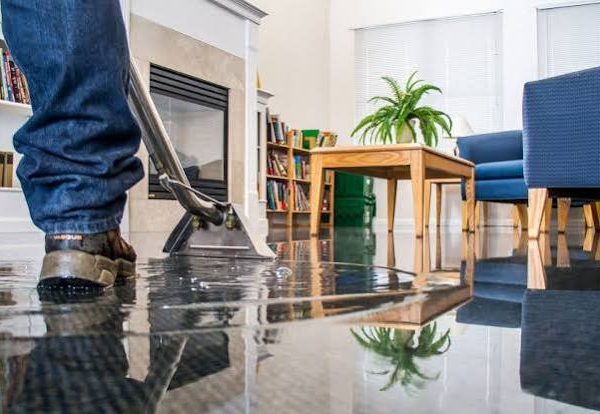
Emergency Water Extraction Service Yes, reputable professional services utilize eco-friendly, non-toxic, and green-certified cleaning products that rinse away completely clean, leaving the room perfectly safe for children and pets once dry.