Water damage can change from a small problem to a major repair project within hours. A burst pipe, overflowing appliance, roof leak, or storm-related flooding can soak flooring, drywall, insulation, and personal belongings before you have time to react. That is why many property owners in Reading, Pennsylvania, ask the same question: how quickly should restoration work begin?
The short answer is immediately. Fast action helps reduce structural damage, limits mould growth, and lowers repair costs. Waiting even a day can allow moisture to spread into hidden areas behind walls and under flooring.
Reading experiences heavy rain events, winter freezes, and seasonal storms that can increase the risk of residential and commercial water damage. When these incidents occur, homeowners often need Emergency Water Damage Restoration in Reading that can respond at any hour.
In this guide, we explain the ideal response timeline, restoration methods, costs, and how to choose a qualified local contractor. You will learn what happens during the restoration process and why timing plays such a large role in protecting your property.
Why fast Water Damage Cleanup matters for Reading properties
Many people underestimate how quickly water damage spreads. Moisture moves through porous building materials such as drywall, wood framing, carpet, and insulation.
According to the U.S. Environmental Protection Agency, mould can begin developing within 24 to 48 hours after water exposure. The EPA discusses this timeline in its guidance on mold cleanup after water damage. This is one reason restoration professionals recommend immediate action.
During the first few hours after water intrusion:
- Water spreads across floors and into adjoining rooms
- Drywall begins absorbing moisture
- Wood materials start swelling
- Electrical hazards may develop
After one to two days:
- Mould growth may begin
- Flooring adhesives can weaken
- Odours become more noticeable
- Structural materials absorb deeper moisture
Could a small leak today become a major reconstruction project next week? In many cases, yes.
Local providers performing Emergency Water Removal and Water Mitigation Services often prioritize the first 24 hours because this period gives the best opportunity to limit secondary damage.
A homeowner in Reading’s Centre Park Historic District, for example, may notice a frozen pipe burst during winter. Quick Water Extraction Services can remove standing water before it damages original hardwood flooring and plaster walls.
Emergency Water Damage Restoration timelines and service options
Response speed often depends on the source and severity of the water damage. Restoration companies classify water events differently to determine the proper approach.
Category 1 water damage
This water comes from relatively clean sources such as broken supply lines or sink overflows.
Pros:
- Lower contamination risk
- Easier drying process
- Lower restoration costs
Cons:
- Can quickly worsen if ignored
Category 2 water damage
This water contains contaminants from appliances, washing machines, or similar sources.
Pros:
- Damage can still be controlled with quick action
Cons:
- Higher sanitation requirements
- Greater health concerns
Category 3 water damage
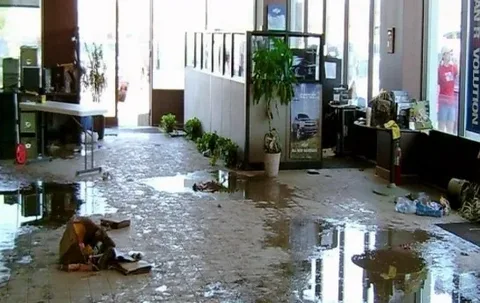
Floodwater, sewage backups, and stormwater fall into this category.
Pros:
- Professional treatment can prevent larger losses
Cons:
- Extensive cleaning required
- Materials often need replacement
Service response levels
Property owners can choose different service levels depending on the emergency.
| Service Level | Typical Response Time | Best For | Drying Complexity | Relative Cost |
| Basic Water Extraction | Within hours | Minor leaks | Low | $ |
| Water Mitigation Services | Same day | Moderate damage | Medium | $$ |
| Flood Damage Restoration | Immediate | Storm flooding | High | $$$ |
| Full Reconstruction Services | After drying | Severe losses | Very High | $$$$ |
According to the Federal Emergency Management Agency (FEMA), prompt mitigation actions can reduce long-term repair costs after flooding events. Information on flood loss reduction practices supports the value of rapid response.
What happens during Professional Water Damage Restoration?
Many homeowners know they need help but are unsure what restoration crews actually do.
The process usually follows several steps.
Emergency inspection
Technicians inspect affected areas using moisture meters, thermal imaging equipment, and humidity readings. They identify visible and hidden moisture.
Water Extraction Services
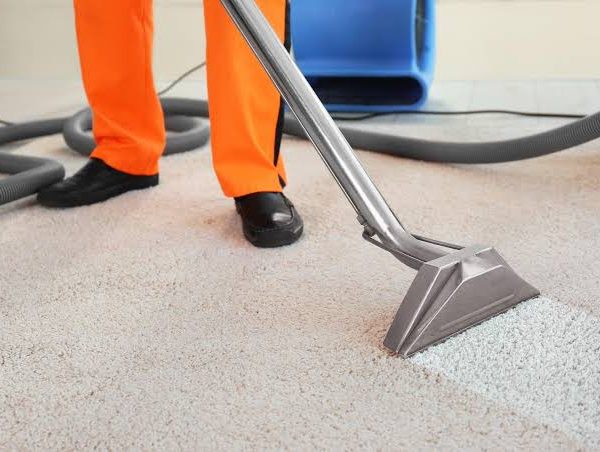
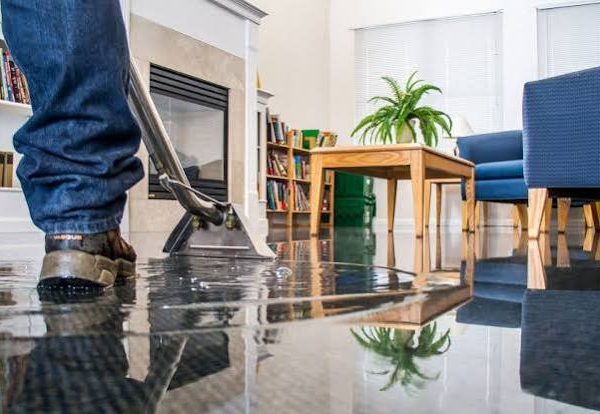
Crews remove standing water using pumps and industrial extraction equipment.
Fast extraction often prevents damage from spreading further into subfloors and structural materials.
Drying and dehumidification
Commercial air movers and dehumidifiers remove trapped moisture.
The Institute of Inspection Cleaning and Restoration Certification (IICRC) establishes industry standards that many restoration contractors follow. Their guidance supports scientific drying methods rather than simple surface drying.
Cleaning and sanitizing
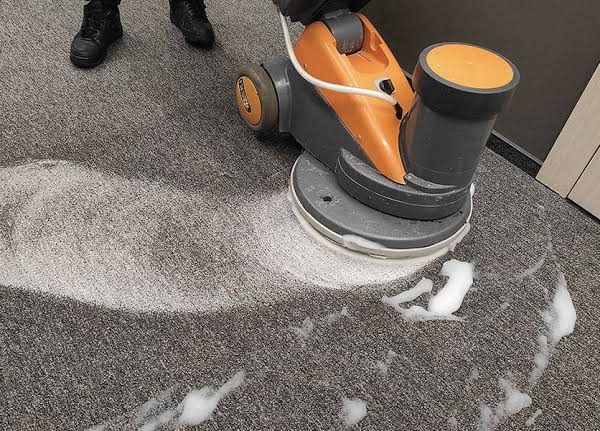
Contaminated surfaces require cleaning and disinfection. Flood-related incidents often involve additional sanitation procedures.
Water Damage Repair
After drying is complete, contractors repair damaged drywall, flooring, trim, insulation, and other building materials.
Final verification
Technicians confirm moisture levels have returned to acceptable ranges before closing the project.
Would you rather replace a few square feet of drywall or rebuild multiple rooms? Rapid response often determines that outcome.
Companies such as Kauffmans Cleaning that handle restoration work in the Reading area typically use moisture mapping technology to identify water hidden behind walls and beneath flooring before repairs begin.
Cost factors for Flood Damage Restoration in Reading PA
Restoration costs vary widely because every water loss is different.
Several factors influence pricing.
Size of affected area
Larger spaces require more labour, equipment, and drying time.
Water category
Clean water incidents cost less than sewage backups or contaminated floodwater.
Drying duration
Properties requiring multiple days of dehumidification incur higher equipment and labour expenses.
Material replacement
Drywall, insulation, flooring, cabinetry, and trim may need replacement if damage is severe.
Emergency response timing
A 24/7 Water Damage Restoration in Robesonia response often costs less overall than delayed restoration because secondary damage remains limited.
Insurance may cover many sudden and accidental water losses. Coverage depends on policy terms and the source of the damage.
Reading property owners should document damage with photographs before cleanup begins whenever conditions are safe.
Choosing the right Water Restoration Company in Reading
Selecting the right contractor matters almost as much as acting quickly.
Look for providers that offer:
- Emergency response availability
- IICRC-trained technicians
- Commercial drying equipment
- Insurance claim assistance
- Written moisture documentation
- Local project experience
Pennsylvania building codes and permit requirements may apply when repairs involve structural work, electrical systems, or plumbing modifications. Your contractor should explain when permits are required.
A licensed contractor in Pennsylvania often advises clients that moisture trapped behind walls causes many hidden problems after flooding. Proper testing helps avoid future mould and material failure.
Local specialists often have an advantage because they understand Reading’s weather patterns, housing stock, and municipal requirements. A company focused on restoration work, such as Kauffmans Cleaning, may have more experience with regional water damage conditions than a general handyman service or national referral network.
Ask potential contractors these questions:
- How quickly can you arrive?
- What drying equipment do you use?
- Do you provide moisture reports?
- Are technicians certified?
- Will you communicate with insurance adjusters?
The answers can help you compare providers more effectively.
A property owner facing water damage at midnight probably wants help fast. That is exactly why Emergency Water Damage Restoration services operate around the clock.
Conclusion
The best next step after discovering water damage is to stop the water source if possible, contact your insurance company, and arrange a professional assessment. Fast action often reduces repair costs and shortens recovery time. If you need guidance from a local team familiar with Reading properties, Kauffmans Cleaning can assess the situation, explain your options, and help you move forward with confidence.
FAQ’s
How fast should Emergency Water Damage Restoration begin after a leak?
Restoration should begin as soon as possible, ideally within the first few hours. Quick response limits moisture spread, reduces mould risk, and helps lower repair costs.
Can I wait a few days before scheduling Water Damage Cleanup?
Waiting several days increases the chance of mould growth, structural damage, and higher restoration costs. Most professionals recommend immediate inspection and drying.
What happens if water sits in my home for 24 hours?
Materials such as drywall, wood, and carpet absorb moisture rapidly. Mould growth may begin within 24 to 48 hours under suitable conditions.
How much does Emergency Water Damage Restoration cost in Reading PA?
Costs vary based on damage severity, contamination level, and affected square footage. Minor projects may start around $1,000, while major flood restoration can exceed $15,000.
Does homeowners insurance cover Water Damage Repair?
Many policies cover sudden and accidental water damage events. Flood damage often requires separate flood insurance coverage.
How long does Professional Water Damage Restoration take?
Small projects may take three to five days. Larger flood restoration projects can require several weeks when repairs are included.
Are Water Extraction Services necessary if the floor looks dry?
Yes. Moisture frequently remains beneath flooring, inside walls, and under cabinets. Professional equipment identifies hidden moisture that may cause future problems.
What is the difference between water mitigation and restoration?
Water mitigation focuses on preventing additional damage through extraction and drying. Restoration includes repairs and rebuilding after the property is dry.
Do I need permits for water damage repairs in Reading PA?
Minor restoration work may not require permits. Structural, electrical, or plumbing repairs often require approval from local authorities.