Learn about emergency water damage restoration in Sinking Spring, PA, including costs, cleanup steps, water extraction, and choosing the right provider.
Water damage can change a normal day into a stressful one within minutes. A burst pipe, overflowing appliance, roof leak, or storm can leave water standing inside your home and create problems that grow fast. Homeowners in Sinking Spring, PA often face water damage after heavy rainfall, plumbing failures, or basement flooding. Quick action helps reduce repair costs and protects your property.
Many local residents turn to emergency water damage restoration professionals because water can spread through flooring, drywall, insulation, and structural materials in a short time. Companies such as Kauffmans Carpet Cleaning work with homeowners who need fast cleanup and drying after unexpected water events.
Acting quickly matters. According to the Insurance Information Institute, water damage and freezing account for a large share of homeowners insurance claims each year. The sooner water removal starts, the better the chance of limiting long-term damage. If you are dealing with water in your home, understanding the restoration process can help you make informed decisions and protect your investment.
2. Why homeowners in Sinking Spring choose professional restoration services
Few property issues spread as quickly as water damage. Even a small leak can move behind walls and under flooring before you notice it. Professional restoration teams use specialized equipment that most homeowners do not have access to.
Local weather patterns can contribute to flooding concerns. Heavy rain, snowmelt, and aging plumbing systems often create conditions that require rapid response. Have you ever noticed how a damp area seems to expand overnight? Best Emergency water damage restoration services in Sinking Spring, the path of least resistance and can reach unexpected areas.
Professional restoration services commonly address:
- Basement flooding
- Burst pipes
- Appliance leaks
- Roof leaks
- Sewage backups
- Storm-related water intrusion
According to the U.S. Environmental Protection Agency, mold can begin developing within 24 to 48 hours when moisture remains present. This makes rapid drying a major part of the restoration process. See the EPA’s guidance on moisture control and mold prevention: EPA mold and moisture guidance.
Many homeowners choose professional help because restoration involves more than removing visible water. Hidden moisture often remains inside walls, subfloors, and insulation.
2. Common water damages situations and local property concerns
Different water sources create different restoration needs. Understanding the source helps determine the cleanup approach.
Clean water damage usually comes from broken supply lines, overflowing sinks, or appliance malfunctions. This type of water presents fewer health concerns if addressed quickly.
Gray water contains contaminants from appliances such as washing machines or dishwashers. It requires more careful cleaning and sanitation.
Black water presents the highest risk. Sources may include sewage backups, river flooding, or heavily contaminated water. Professional handling becomes especially important in these situations.
Many homes in Sinking Spring feature finished basements. Basement spaces often contain flooring, drywall, furniture, and storage items that can suffer extensive damage after flooding. A homeowner may return from work and find several inches of water covering the basement floor after a sump pump failure.
Local conditions can affect restoration strategies. Older homes may contain building materials that require specialized drying methods. Newer homes often include insulation systems that trap moisture inside wall cavities.
Long-tail searches homeowners often use include:
- emergency water extraction for flooded basement
- water damage cleanup after burst pipe
- professional drying services for wet drywall
- same day water restoration in Sinking Spring PA
Each situation requires a different response plan based on water category, affected materials, and duration of exposure.
2. What happens during the restoration process
Many homeowners wonder what restoration crews actually do when they arrive. The process follows a series of steps designed to reduce damage and return the property to a safe condition.
Inspection and damage assessment
Technicians inspect the affected areas and identify moisture levels. Moisture meters and thermal imaging tools help locate hidden water.
Water extraction
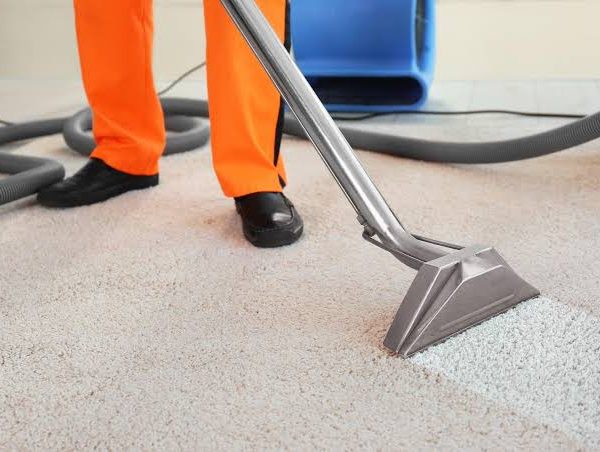
Powerful pumps and extraction equipment remove standing water. Fast extraction reduces the amount of water absorbed into materials.
Drying and dehumidification
Industrial air movers and dehumidifiers circulate air and remove moisture. Drying can take several days depending on the extent of the damage.
Cleaning and sanitizing
Affected surfaces receive cleaning and treatment when needed. This step helps address odors, bacteria, and contaminants.
Restoration and repairs
Damaged materials may require repair or replacement. Drywall, flooring, trim, and insulation are common restoration items.
The Institute of Inspection Cleaning and Restoration Certification (IICRC) establishes recognized standards used throughout the restoration industry. Property owners can learn more about restoration standards through IICRC restoration standards.
A licensed contractor in Pennsylvania often advises homeowners to begin mitigation immediately because delays can increase both repair costs and structural damage.
2. Cost factors for water damage restoration in Sinking Spring
Restoration costs vary widely because every property experiences different conditions. Several factors influence the final price.
The size of the affected area plays a major role. A small bathroom leak costs far less to address than a flooded basement.
Professional 24/7 emergency restoration services in Sinking Spring, category affects labor and sanitation requirements. Black water cleanup usually costs more due to safety procedures and contamination concerns.
The amount of demolition needed can increase expenses. Water trapped behind walls may require drywall removal to promote proper drying.
Equipment duration matters as well. Larger projects often require dehumidifiers and air movers for multiple days.
Typical factors that affect pricing include:
- Water source
- Square footage affected
- Drying time required
- Structural damage extent
- Material replacement needs
- Mold prevention measures
A minor cleanup project may cost a few hundred dollars, while major flooding events can reach several thousand dollars. Insurance coverage often depends on the source of the damage and policy terms.
Homeowners should document damage with photographs and contact their insurance provider promptly. Keeping records can help during the claims process.
2. Choosing the right restoration provider in Sinking Spring
Finding the right contractor can make a significant difference in both the restoration process and the final outcome. What should you look for when comparing local companies?
Start by verifying licensing, insurance, and restoration certifications. A qualified provider should explain the drying process, expected timeline, and scope of work clearly.
Ask whether moisture readings will be documented throughout the project. Professional monitoring helps confirm that materials reach acceptable drying levels.
Look for providers that can respond quickly during emergencies. Water damage does not wait for business hours.
Local companies like Kauffmans Carpet Cleaning understand common water damage issues faced by homeowners throughout the Sinking Spring area. Local experience often means familiarity with regional weather conditions, building styles, and common restoration challenges.
A restoration specialist focused on relaible water damage restoration services in Sinking Spring, such as Kauffmans Carpet Cleaning—may have equipment and procedures dedicated to drying and moisture control that a general handyman typically does not carry. That distinction can affect project efficiency and documentation quality.
Customer reviews, references, and detailed written estimates can provide useful information before making a decision. Taking time to compare providers helps reduce surprises later in the project.
Conclusion
Look for insurance coverage, restoration certifications, emergency response availability, clear communication, documented drying procedures, and positive customer feedback from local property owners.
Emergency Water damage can become more expensive and difficult to address when cleanup is delayed. Taking action quickly helps protect flooring, walls, furnishings, and structural materials. If you experience flooding, leaks, or unexpected water intrusion in Sinking Spring, PA, start by documenting the damage and arranging a professional assessment. For homeowners seeking local guidance, Kauffmans Carpet Cleaning can answer questions about restoration options, drying procedures, and next steps so you can make practical decisions with confidence.
FAQ
How quickly should emergency water damage restoration begin?
Restoration should begin as soon as possible. Water can soak into building materials quickly, and mold growth may begin within 24 to 48 hours under favorable conditions. Fast response often reduces repair costs and limits structural damage.
How much does water damage restoration cost in Sinking Spring, PA?
Costs vary based on the size of the affected area, water category, drying time, and repair requirements. Small projects may cost several hundred dollars, while extensive flooding can cost several thousand dollars or more.
Can I stay in my home during restoration work?
Many homeowners remain in their homes during smaller projects. Larger losses involving contamination, major demolition, or extensive drying equipment may require temporary relocation for comfort or safety.
Does homeowners insurance cover water damage restoration?
Coverage depends on the cause of the damage and the terms of your policy. Sudden and accidental events often receive coverage, while maintenance-related issues may not. Review your policy and speak with your insurer.
How long does the drying process take?
Most drying projects take several days. Severe water damage may require a longer timeline. Technicians use moisture readings to determine when materials have reached acceptable dryness levels.
What equipment is used for emergency water extraction?
Restoration crews commonly use extraction units, pumps, air movers, dehumidifiers, moisture meters, and thermal imaging tools. These systems help remove water and identify hidden moisture.
Can water damage lead to mold problems in Sinking Spring homes?
Yes. Moisture trapped in walls, flooring, or insulation can support mold growth. Rapid drying and moisture monitoring reduce this risk significantly.
Do I need permits for water damage repairs in Pennsylvania?
Permit requirements depend on the extent of repairs. Structural work, electrical changes, or major rebuilding may require permits. Local municipal offices can provide guidance for specific projects.
What should I do before restoration professionals arrive?
If safe, turn off the water source, move valuables away from affected areas, and document damage with photographs. Avoid entering areas where electrical hazards may be present.
Can hardwood floors be saved after flooding?
Many hardwood floors can be restored if drying begins quickly. The amount of water exposure and duration of saturation affect the likelihood of successful restoration.
Are basement floods common in Sinking Spring, PA?
Basement flooding can occur after heavy rainfall, drainage issues, sump pump failures, or plumbing problems. Many local homeowners take preventive steps to reduce future flooding risks.