Here’s something most Wyomissing homeowners don’t realize until it’s too late: water damage doesn’t wait. The moment a pipe bursts behind your drywall, a sump pump fails during a late-spring storm, or a washing machine hose quietly disconnects, a silent clock starts ticking. Within 24 to 48 hours, what began as a manageable wet floor becomes a mold-prone, structurally compromised mess that costs two, three, sometimes five times more to fix. That’s not a scare tactic — that’s just what water does when nobody moves fast enough.
Kauffman’s Carpet Cleaning has been serving Wyomissing and the surrounding Berks County communities long enough to know that speed is the single most important variable in water damage extraction services in the Wyomissing, PA situation. Not equipment. Not price. Speed. And right now, local homeowners are calling in larger numbers than ever — because they’ve learned the hard way, or heard from a neighbor who did.
Why Wyomissing Homes Are Particularly Vulnerable to Water Intrusion
Wyomissing sits in a part of southeastern Pennsylvania where the weather doesn’t give you much warning. The Schuylkill River basin brings humidity. Late summer thunderstorms arrive hard and fast. Winter freeze-thaw cycles crack foundations and stress older pipe systems in ways that don’t show up until spring. Add in the mix of housing stock in the area — some homes dating back several decades with aging plumbing and basement waterproofing that was never designed for modern rainfall intensity — and you have a recipe for recurring water events.
Neighborhoods throughout Reading Township, West Lawn, Shillington, and Sinking Spring face similar exposure. Basements that were once “dry enough” are now flooding during storms that would have been manageable ten years ago. Crawl spaces beneath split-level homes are retaining moisture that works upward into flooring and subflooring. And finished basements — which many Wyomissing families have invested significantly in — are among the first casualties when groundwater rises unexpectedly.
This is local reality, not hypothetical risk.
What Actually Happens to Your Home When Water Sits Too Long
Most people picture water damage as wet carpet. That’s the visible part. What’s happening underneath and inside your walls is where the real cost accumulates.
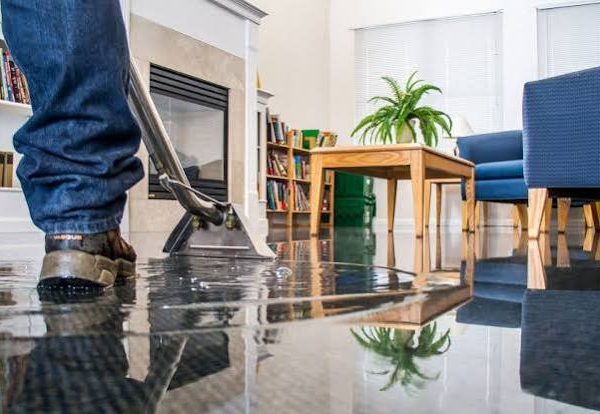
Within the first hour, water begins migrating. It moves through carpet into the padding and subfloor. It travels along baseboards and wicks into drywall. In many Wyomissing homes with hardwood floors, water begins working beneath the planks almost immediately, causing cupping and warping that becomes permanent if not addressed within hours.
By the 24-hour mark, bacterial growth is already possible in standing water. By 48 hours, mold spores — which exist in virtually every home as dormant particles — begin activating in damp, humid conditions. Once mold takes hold in subfloor material, insulation, or wall cavities, the remediation process becomes dramatically more complex and costly.
Here’s what most homeowners aren’t told: standard homeowner’s insurance policies cover the immediate water damage event, but they often exclude mold remediation if it’s determined that the damage was left untreated for too long. That distinction — between fast response and delayed response — can mean the difference between a covered claim and a five-figure out-of-pocket expense.
This is why professional water extraction in Wyomissing isn’t just a cleaning service. It’s a financial protection decision.
How Professional Water Extraction Actually Works — And Why DIY Falls Short
There’s a well-meaning but costly mistake many homeowners make: they grab a wet-dry vac, pull up the wet carpet, run a few box fans, and assume the job is done. It isn’t. Not even close.
Consumer-grade equipment simply lacks the extraction power and air-moving capacity to remove moisture from subfloor materials, wall cavities, or carpet padding. You can dry the surface while the layers underneath remain saturated. A week later, you’re smelling something musty and wondering why — not realizing that mold has been quietly colonizing the subfloor the entire time.
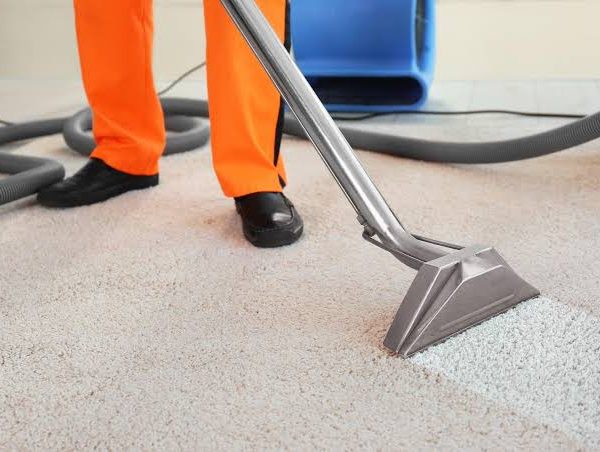
Professional water extraction uses truck-mounted or industrial-grade extraction units that pull moisture from deep within materials — not just the surface. This is followed by strategic placement of commercial dehumidifiers and high-velocity air movers calibrated to the specific square footage, material types, and ambient humidity of your space. Moisture readings are taken with professional meters at multiple depth points to confirm that drying is actually occurring below the surface, not just on top of it.
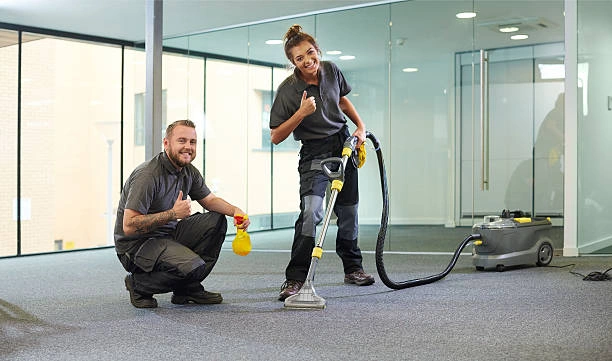
Kauffman’s Carpet Cleaning brings this level of precision to every water extraction job in Wyomissing and the surrounding Berks County area. There’s no guesswork. There are no assumptions. The drying process is monitored and documented so that when the job is complete, you have confidence — not hope.
Signs You Need Water Extraction Even If You Think It “Wasn’t That Bad”
One of the trickiest aspects of water damage is that its severity doesn’t always match what you can see. Homeowners regularly underestimate events they describe as “minor leaks” — and overestimate how thoroughly they’ve cleaned up after them.
Watch for these warning signs that water extraction is needed even if the visible water is gone:
- A musty or earthy odor that wasn’t there before, especially in basements or below cabinets
- Carpet that feels slightly damp or spongy underfoot days after an incident
- Baseboards or drywall that appear slightly discolored, swollen, or soft to the touch
- Hardwood floors that are beginning to cup, bow, or separate at seams
- Persistent humidity in a room despite normal HVAC operation
- Visible condensation forming on walls or windows in areas that didn’t used to have it
- Dark spotting beginning at grout lines in bathrooms or along flooring edges
Any one of these symptoms warrants a professional moisture assessment. In Wyomissing’s humid season months — particularly May through September — ambient conditions already favor mold growth, which means a moisture problem that might take three weeks to manifest in winter can show up in five days during summer.
Don’t wait until you see mold. By that point, you’re in a different and far more expensive conversation.
Seasonal Water Risks Berks County Homeowners Face Every Year
Understanding when your home is most at risk helps you stay ahead of the damage curve.
Spring brings snowmelt and extended rain events that saturate ground around foundations. Window wells fill. Sump pumps run around the clock and occasionally fail under load. Basement seepage along foundation walls is extremely common during March and April in this region.
Summer delivers fast-moving thunderstorms that overwhelm gutters and downspouts. Flash flooding events have become more frequent in low-lying areas of Wyomissing and western Reading. HVAC condensate lines clog and back up. Humidity alone can push moisture into crawl spaces and basements without any rainfall event at all.
Fall often catches homeowners off guard. As temperatures drop, thermal contraction begins stressing pipes. Hose bibs left unprotected can crack. Supply lines that have been under pressure for years may finally give out as materials contract.
Winter is the season of burst pipes. A night below 15°F with inadequate insulation on exterior wall plumbing is all it takes. These events tend to be sudden, high-volume, and they happen in walls — meaning the water has already traveled far before anyone notices.
Knowing your home’s specific vulnerabilities — based on age, construction type, basement configuration, and plumbing layout — is the first step in protecting it year-round. A trusted local water extraction and carpet cleaning professional can help you identify those risks during a service visit.
Why Homeowners Throughout Wyomissing Trust Kauffman’s Carpet Cleaning
There’s a reason Kauffman’s Carpet Cleaning has built a strong reputation across Wyomissing, West Reading, Sinking Spring, and neighboring communities. It comes down to three things that matter most when someone is standing in a flooded room at 9 PM: responsiveness, honesty, and results.
Responsiveness means showing up — fast — with the right equipment and the knowledge to immediately assess what’s happening and what needs to happen next. Water damage doesn’t respect business hours, and a professional service that does isn’t truly equipped to handle water emergencies.
Honesty means telling you exactly what’s wet, what’s at risk, and what’s salvageable — not overselling unnecessary work and not underpromising to win the job. Homeowners in Berks County have come to trust Kauffman’s because the assessments they receive are accurate and the explanations they get are clear.
Results mean that when the equipment is packed up and the crew leaves, the job is actually done. Verified dry. Documented. Ready for whatever comes next, whether that’s reinstalling flooring, filing an insurance claim, or simply moving your furniture back.
If you’re looking for cost-effective, professional water extraction in Wyomissing with a local team that treats your home the way they’d treat their own, Kauffman’s is the call worth making.
You can also explore related services including carpet cleaning and restoration, deep cleaning for water-affected upholstery, and Berks County residential maintenance programs — all designed to protect your investment from the ground up.
Protecting Your Home Before the Next Event: Practical Steps That Actually Work
Waiting for water damage to happen before thinking about prevention is the most expensive approach possible. Here’s what experienced restoration professionals recommend for Wyomissing-area homes:
- Test your sump pump every spring — pour a bucket of water into the pit and confirm it activates. Replace batteries in backup systems annually.
- Extend downspouts at least six feet from the foundation — most home improvement guides suggest four feet, but in Berks County’s heavy rainfall events, six is safer.
- Insulate exposed pipes in unheated crawl spaces and garage walls — this is the single most cost-effective defense against winter burst pipe events.
- Install a water leak detector under sinks and near appliances — modern smart sensors cost under $30 and send phone alerts the moment moisture is detected.
- Have your carpet and flooring professionally cleaned annually — this isn’t just about appearance; it’s about removing embedded moisture-retaining particulates and identifying early subfloor issues before they become serious.
- Inspect window well drainage every fall — debris accumulation blocks drainage and turns window wells into collection basins during winter snowmelt.
None of these steps require major investment. All of them significantly reduce the probability of needing emergency water extraction services — but if that day still comes, acting within the first hour makes an enormous difference.
Conclusion
Water damage is one of those situations where the right decision made quickly costs a fraction of the right decision made too late. Every hour that standing water sits in your Wyomissing home is another hour working against the materials, air quality, and structural integrity of your property.
Kauffman’s Carpet Cleaning exists to close that window as fast as possible. With deep local knowledge of Berks County conditions, professional-grade water extraction equipment, and a commitment to honest, thorough service, they’ve become the trusted name homeowners call when the situation is real and the stakes are high.
Don’t let a manageable water event turn into a mold remediation project. Don’t let the damp subfloor become warped, replacing hardwood. And don’t let a small insurance claim become a dispute over delayed treatment.
Call Kauffman’s Carpet Cleaning today. Get a fast assessment, honest answers, and the kind of responsive local service that Wyomissing homeowners have come to rely on because when water is in your home, the only wrong move is waiting.
Frequently Asked Questions
How quickly should I call for water extraction after a flood or leak in my Wyomissing home?
Immediately — as in, within the first hour if possible. Water migrates quickly through flooring layers, drywall, and insulation. The EPA recommends beginning drying within 24 to 48 hours to prevent mold growth, but structural damage to materials like hardwood and subfloor can begin well before that window closes. In Wyomissing’s humid summers, that timeline compresses further. The faster a professional team arrives with commercial extraction equipment, the lower your total remediation cost will be.
Will my homeowner’s insurance cover professional water extraction?
In most cases, yes — if the water damage was sudden and accidental (burst pipe, appliance failure, storm-related intrusion). However, insurance companies often scrutinize whether the homeowner acted promptly. Delayed treatment that leads to mold growth may fall outside standard coverage terms. Documenting the event immediately and contacting a professional water extraction service like Kauffman’s as quickly as possible protects both your home and your claim.
Can water-damaged carpet in my Wyomissing home be saved, or does it always need to be replaced?
It depends on the category of water and how quickly the extraction begins. Clean water events — from a burst supply line or rain intrusion — have a reasonable salvage window if extraction and drying begins within hours. Carpet padding, however, is almost never worth saving once fully saturated because it retains moisture and becomes a mold substrate quickly. A professional assessment will tell you honestly what’s worth keeping and what needs to go, which saves you money over time compared to assuming everything is fine.
What’s the difference between water extraction and water damage restoration?
Water extraction is the immediate removal of standing and absorbed water from flooring, carpet, and structural materials. It’s the critical first step. Water damage restoration is the broader process that may follow — including structural drying, mold prevention treatment, subfloor repair, flooring replacement, and drywall work. Kauffman’s Carpet Cleaning handles the extraction and drying phase with professional precision, and can coordinate with restoration specialists when structural repairs are needed.
Does Wyomissing’s climate make homes more prone to water damage than other areas?
Yes, meaningfully so. Berks County experiences a humid continental climate with significant seasonal precipitation variability. The combination of heavy spring rain, summer thunderstorms, fall temperature swings, and winter freeze events puts homes through a full cycle of water-related stress every year. Older housing stock throughout the Wyomissing area — particularly homes with original basement waterproofing and aging plumbing — is especially susceptible. Understanding your home’s construction era and basement type goes a long way toward anticipating where water problems are most likely to start.
How long does professional water extraction and drying typically take?
Surface water extraction can often be completed in a matter of hours. Full structural drying — the process of removing residual moisture from subfloor, wall cavities, and framing materials — typically takes between three and five days depending on the extent of saturation, the materials involved, and ambient humidity conditions. Commercial dehumidifiers and air movers remain in place during this period, and moisture readings are taken at regular intervals to confirm that drying is progressing correctly. Rushing this phase is one of the most common mistakes that leads to mold problems weeks later.