Homeowners across Berks County face constant challenges maintaining pristine interior surfaces due to heavy seasonal mud and industrial dust patterns. Traditional mopping routines often fail because micro-particles settle deep into porous grout lines and wood grain textures over time. Scheduling professional deep floor cleaning services in Reading, PA solves these persistent maintenance issues by utilizing advanced extraction machinery and specialized pH-balanced treatments. Kauffman’s Carpet Cleaning provides these exact specialized restoration solutions to eliminate embedded grit, allergen buildup, and stubborn surface discoloration from your property. Booking an experienced local team allows you to preserve your physical real estate asset while establishing a sanitary living environment for your family.
Over time, everyday foot traffic grinds microscopic debris into protective factory sealers, which creates a dull, hazy appearance across your main living areas. Standard retail grocery store cleaning liquids frequently leave sticky soap residues that actually attract more dirt particles immediately after application. Investing in professional deep floor cleaning services in Reading, PA delivers deep chemical emulsification that safely releases bound soils without damaging delicate underlying subfloor materials. This precise technical treatment extends the total operational lifespan of your interior surfaces by removing abrasive sand grains that scratch protective coatings. Local property buyers look closely at structural surface conditions, so professional maintenance directly supports your total market value if you decide to sell.
Why regional properties require advanced surface maintenance
Properties located near the Schuylkill River corridor experience unique environmental pressures, including elevated indoor humidity levels and fine alluvial soil tracking. When these outdoor elements combine with everyday household spills, standard residential flooring materials suffer rapid surface degradation and noticeable color shifting. Seeking Reliable deep floor cleaning services in Reading, PA provides a protective shield against this premature wear by stripping away deeply embedded organic pollutants completely. Many families choose professional extraction treatments to eliminate microscopic pet dander and seasonal pollen grains that get trapped inside porous floor joints. This advanced sanitization process keeps your indoor spaces healthier while restoring the original clear factory reflection to your dull walkways.
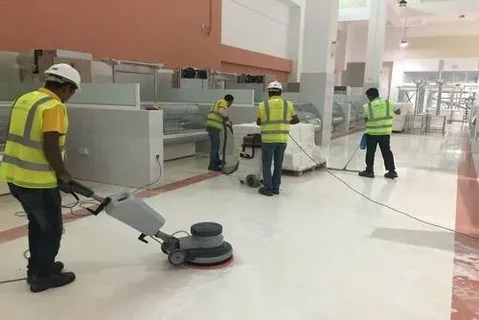
Modern residential floor layouts often combine multiple hard surfaces like natural porcelain tile, engineered planks, and traditional oak hardwoods within a single floor plan. Each individual surface material requires a completely distinct chemical balance and moisture level during treatment to prevent permanent structural buckling or finish peeling. Securing specialized LVP floor cleaning services in Reading, PA protects your synthetic wood planks from the surface scratching caused by improper abrasive brushes. Using the wrong motorized equipment can easily strip away thin vinyl wear layers, which leaves your subfloor vulnerable to severe water damage later. Professional technicians adjust their equipment pressure settings precisely to match each specific material zone in your modern home layout.
Surface material options and professional equipment configurations
Synthetic plank care and moisture regulation
Managing modern luxury vinyl planks requires strict chemical oversight because excessive heat or standing water can easily dissolve the underlying joint adhesives. Technicians use low-moisture cylindrical brush machines that gently agitate patterned vinyl grooves without forcing dampness beneath the interlocking plank seams. This specialized process lifts away tracked-in grease while preserving the structural stability of your floating floor system.
Hardwood preservation and specialized vacuum extraction
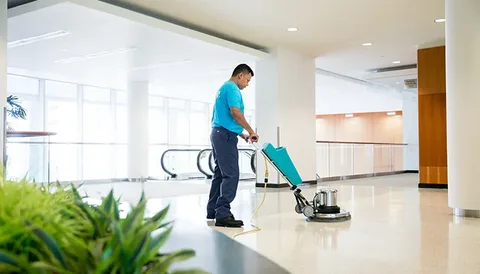
Traditional solid wood floors require specialized non-abrasive rotary buffers paired with high-velocity vacuum systems to capture loosened dust particles instantly. The cleaning solution must feature a neutral pH balance to dissolve oily films without stripping away the protective polyurethane clear coat. This careful balance keeps the wood fibers completely dry while removing the grey traffic lanes that form near exterior entry doors.
Porcelain and ceramic tile restoration
Grout mixtures feature highly porous structural designs that naturally absorb dirty mopping water, turning your joint lines dark and unhygienic. Professional crews apply pressurized alkaline pre-treatments that break the chemical bonds of embedded grease molecules inside the cement pores. High-pressure enclosed truck-mounted extraction tools then rinse the channels with heated water, capturing the suspended dirt instantly without splashing your baseboards.
Natural stone honing and safety sealing
Travertine, marble, and slate materials remain highly sensitive to acidic household cleaning agents, which cause immediate chemical etching marks. Technicians handle these premium materials using soft diamond-infused polishing pads and specialized stone soaps that safely rebuild lost surface luster. Applying an oil-resistant impregnating sealer after extraction prevents future liquid spills from soaking deep into the natural stone pores.
Professional maintenance tiers and material compatibility
Selecting the right care program depends on analyzing how different mechanical agitation methods interact with your specific home finishes. Fully enclosed pressure extraction systems work beautifully for vertical tile grout joints but will ruin a traditional tongue-and-groove hardwood floor instantly. Low-moisture orbital oscillation pads deliver excellent surface oil removal on smooth materials while preventing moisture spread near sensitive baseboard woodwork. Hand-detailed edge cleaning ensures that dark corner buildups get completely removed without scuffing your painted trim lines during the machine passes. Reviewing these equipment capabilities helps you select the exact service level required to revive your home interior safely.
| Service Option Profile | Agitation Mechanism | Ideal Material | Moisture Delivery | Grout Joint Impact |
| Enclosed Pressure Rinse | Rotating Fluid Jets | Ceramic Tile | High | Deep Extraction |
| Cylindrical Brush Scrub | Counter-Rotating Wheels | Luxury Vinyl Planks | Very Low | Surface Level Only |
| Orbital Pad Absorption | Microfiber Discs | Finished Hardwood | Minimal | Not Applicable |
| Diamond Honing System | Weighted Stone Plates | Natural Marble | Controlled | Leveling Action |
Determining your exact treatment system depends heavily on whether your existing floor sealers have worn away completely over years of continuous use. For instance, tile floors with degraded topical coatings require a full chemical strip before technicians can clean the underlying grout joints safely. Homeowners who only need to clear away oily kitchen films can opt for a fast low-moisture cylindrical brush treatment instead. Requesting specialized deep floor cleaning services in Reading, PA ensures that your home receives the exact equipment setup needed for your specific floor styles. You can combine these advanced extraction treatments with premium polymer sealers to guard your renewed grout joints against future coffee and wine spills.
The technical steps for professional surface extraction
Comprehensive surface pre-vacuuming and edge detailing
Field technicians use industrial backpack vacuums equipped with multi-stage HEPA filtration systems to clear away loose grit particles before applying any liquid treatments. This initial dry phase prevents abrasive sand grains from scratching your smooth floor finishes during the subsequent mechanical scrubbing stages. Crews manually brush out dusty baseboard corners and sliding door tracks to ensure no debris gets trapped in the wet mixtures later.
Target chemical application and soil emulsification
Electricians apply specialized, non-toxic pre-treatments across your floor zones using low-pressure pump sprayers to ensure uniform material coverage. The cleaning agents rest on the surfaces for several minutes, allowing the active ingredients to break down stubborn oil layers and sticky footprint residues. This chemical suspension process allows technicians to lift away deep stains without needing to use harsh, damaging scrub brushes.
Counter-rotating mechanical agitation
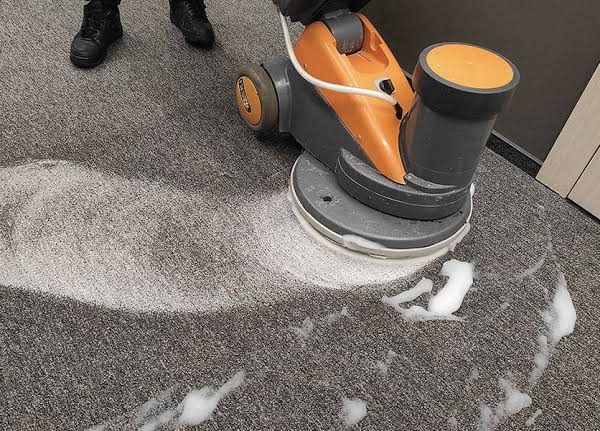
Technicians pass heavy dual-brush floor machines across the treated areas to dislodge compacted dirt particles from deep within material textures. This step uses specialized brush bristles that flex perfectly into uneven grout lines and wood grain patterns without damaging fine factory finishes. The mechanical action breaks up stubborn dirt layers that normal hand mopping simply sweeps over during weekly house cleaning.
High-powered truck-mounted extraction and rinsing
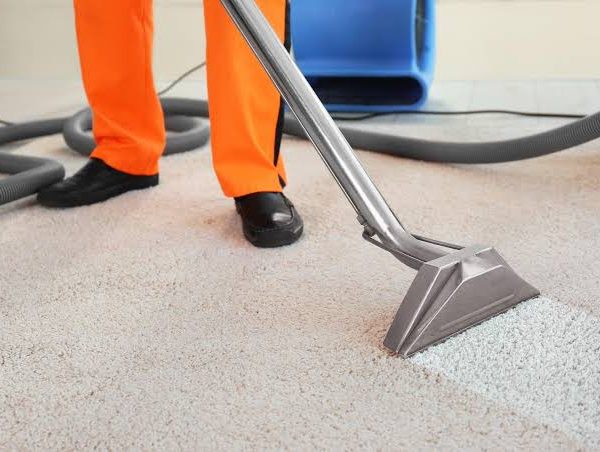
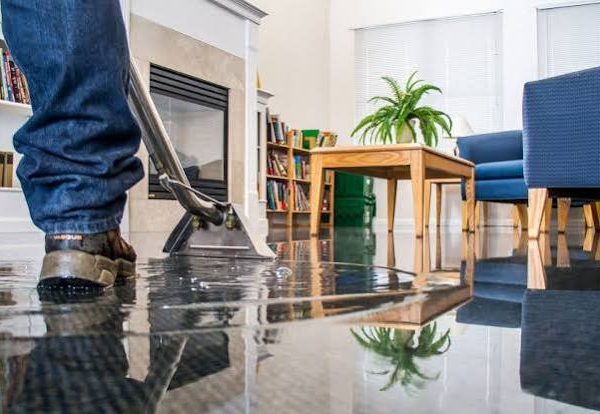
Crews connect the cleaning tools to a powerful truck-mounted vacuum system that extracts the suspended dirt and dirty water drops simultaneously. This closed-loop rinsing process utilizes clear, softened water heated to high temperatures to sanitize your hard surfaces without leaving any sticky soap spots behind. The powerful vacuum draw removes nearly all residual moisture instantly, which prevents water spots from forming on your clean surfaces.
Specialized floor drying and sealer application
Industrial air movers are positioned across the clean rooms to circulate large volumes of air and dry the floor surfaces completely within minutes. Once the moisture levels match local building regulations, technicians apply a commercial-grade breathable sealer across your clean tile grout channels. This protective layer forms an invisible barrier that stops liquid spills from soaking into the material, keeping your floors looking fresh much longer.
Cost factors for regional floor restoration projects
Architectural floor plan layouts and furniture obstruction
Every residential property presents distinct structural challenges that alter the total manual labor hours required to finish a project completely. Open-concept living areas allow technicians to move large mechanical equipment quickly, which keeps production costs lower than small, segmented room layouts. Cleaning tight hallway mazes, winding stair treads, and crowded walk-in closets requires tedious hand tool operations that increase the overall project timeline.
Pre-existing sealer removal and restorative wax stripping
Removing old, yellowed topical acrylic waxes or mismatched DIY shiny coatings requires extensive specialized chemical stripping agents and extra labor hours. Technicians must apply specialized dissolving gels and scrape away the liquefied old sealer manually along every baseboard edge to prevent dark blemishes. Local companies like Kauffman’s Carpet Cleaning manage these complex chemical stripping demands safely to ensure your underlying materials remain completely unharmed during the process.
Local environmental considerations
High seasonal humidity levels across Pennsylvania require the use of extra commercial air moving equipment to ensure wood floors dry safely without warping. Technicians monitor the ambient moisture levels inside your home using digital hygrometers to guarantee that protective sealers cure correctly under local conditions. Working with an experienced local firm ensures that your floor treatment adapts perfectly to the changing seasonal weather patterns in the region.
Surface degradation levels
Floors that have suffered years of neglect often require multiple chemical applications and extended mechanical scrubbing passes to clear away deep traffic stains. Deeply stained grout lines may also require a specialized color sealing treatment to restore a completely uniform appearance across your entire kitchen space. Discovering these material wear factors early allows your service team to choose the safest cleaning solutions for your home asset.
Selecting a certified surface restoration specialist
Locating a competent floor care business involves checking active trade certifications instead of simply hiring a cheap cleaning crew from a classified ad website. Property owners should focus on established regional businesses that hold current certifications from the Institute of Inspection Cleaning and Restoration Certification (IICRC). A careless contractor choice can lead to permanent material ruin if an untrained worker applies highly acidic chemicals to a delicate natural limestone floor. Evaluate your local floor improvement options using these strict professional benchmarks to ensure a safe, successful restoration project in your home.
Verifying professional IICRC training and liability insurance
Property owners must confirm that a cleaning company carries comprehensive liability insurance before allowing any technicians to operate heavy machinery inside the house. A general maid service usually lacks the specialized high-pressure extraction tools and pH-testing kits needed to manage advanced hard surfaces safely. True surface restoration specialists carry extensive corporate insurance that protects your valuable property if an unexpected equipment hose leak happens during treatment. Confirming these essential safety documents protects your family finances if unforeseen structural or mechanical complications arise while the team is working on-site.
Analyzing community focus and local project history
Reviewing past hard-surface projects completed across Berks County helps you judge the final level of quality an electrical or cleaning contractor provides. A contractor who works exclusively on floor care in the area—like Kauffman’s Carpet Cleaning—will have handled the local permit process and know local conditions. These local teams understand how winter road salt tracking affects your foyer wood finishes, helping you select the ideal neutralizing treatments for your home. National franchise chains often skip these local climate calibrations, leaving your sensitive floor materials vulnerable to chemical damage after a single winter season.
Evaluating trade-specific insurance protections
Choosing a specialized company ensures your home stays protected by comprehensive insurance policies that are specifically tailored to high-pressure hot-water extraction work. Standard general liability plans used by basic residential house cleaners often exclude water damage or stone etching from their business coverage. Working with a dedicated floor specialist guarantees that your expensive wood planks and custom tile installations remain fully protected throughout the technical restoration process.
Reviewing long-term maintenance warranties
Reliable restoration contractors offer written satisfaction guarantees that cover both the cleaning quality and the performance of any applied protective grout sealers. These long-term assurances ensure that if a treated traffic lane shows unusual color shifting next month, a technician will return to check the problem. A casual handyman cannot offer these manufacturer-backed material promises, leaving you to manage unexpected finish blemishes on your own later.
Conclusion
Maintaining the original beauty and cleanliness of your residential floors requires a combination of deep vacuum extraction and material-specific chemical balancing. Utilizing professional deep floor cleaning services in Reading, PA stops ongoing surface dullness and prevents abrasive sand particles from destroying your expensive home finishes permanently. Spending money on high-quality floor care saves you from expensive replacement projects by keeping your vinyl planks and tile grout lines resilient through every season. Selecting an experienced regional restoration team ensures that your home maintenance project follows strict industry safety standards through every step of the process.
Upgrading your home care routine with premium low-moisture mechanical scrubbing and professional polymer sealers adds an important layer of long-term value to your real estate asset. Partnering with Professional LVP floor cleaning services in Reading, PA specialists guarantees that your modern synthetic wood planks remain bright and free of oily residues. This smart structural investment lowers your future floor replacement costs while creating a clean, healthy indoor environment for your family to enjoy. Trusting your floor renovation project to an experienced regional professional provides your property with a beautiful, long-lasting surface foundation for decades to come.
FAQs
How often should residential tile and hardwood floors receive a professional deep extraction cleaning?
According to the Institute of Inspection Cleaning and Restoration Certification (2024), hard surface floors inside typical residential homes should receive a professional deep cleaning every twelve to eighteen months.
Will professional luxury vinyl plank cleaning remove deep scratches or physical gouges from my floor surface?
Professional cleaning processes lift away embedded dirt and oily films, but they cannot fix deep physical gouges or scratches in the vinyl wear layer. Replacing the individual damaged planks remains the most effective option for correcting deep structural tears caused by sliding heavy furniture.
Do local municipal environmental regulations restrict how cleaning companies dispose of recovered waste water?
Yes, environmental codes require cleaning firms to dump all recovered dirty water directly into municipal sanitary sewer systems for proper treatment. True professionals utilize integrated truck-mounted storage systems to transport waste water away from your property safely, protecting the local watershed.
What is the main difference between standard retail floor cleaners and professional neutral pH solutions?
Retail cleaning products often contain high amounts of wax and soap fats that leave a sticky residue layer on your clean floors. Professional-grade neutral pH solutions dissolve grease completely and rinse away cleanly without leaving any dull films that attract new dirt particles.
How long must my family wait before walking on floors that have just been professionally cleaned and sealed?
Most hard surfaces are ready for light foot traffic within two to four hours after technicians finish the drying process with air movers. You should avoid dragging heavy furniture or spilling liquids across newly sealed grout lines for twenty-four hours to let the barrier cure.
According to the Institute of Inspection Cleaning and Restoration Certification (2024), hard surface floors inside typical residential homes should receive a professional deep cleaning every twelve to eighteen months.
Professional cleaning processes lift away embedded dirt and oily films, but they cannot fix deep physical gouges or scratches in the vinyl wear layer. Replacing the individual damaged planks remains the most effective option for correcting deep structural tears caused by sliding heavy furniture.
Yes, environmental codes require cleaning firms to dump all recovered dirty water directly into municipal sanitary sewer systems for proper treatment. True professionals utilize integrated truck-mounted storage systems to transport waste water away from your property safely, protecting the local watershed.
Retail cleaning products often contain high amounts of wax and soap fats that leave a sticky residue layer on your clean floors. Professional-grade neutral pH solutions dissolve grease completely and rinse away cleanly without leaving any dull films that attract new dirt particles.
Most hard surfaces are ready for light foot traffic within two to four hours after technicians finish the drying process with air movers. You should avoid dragging heavy furniture or spilling liquids across newly sealed grout lines for twenty-four hours to let the barrier cure.