Discover why securing a trusted emergency water extraction service in Robesonia, PA is critical for mitigating property loss and preventing mold growth.
An unexpected water intrusion event can disrupt a household or business operations within minutes, turning a quiet property into a high-stress disaster zone. Whether caused by a ruptured water main, an overflowing appliance, or severe weather patterns pushing water through the foundation, standing water requires immediate structural attention. Leaving moisture unmanaged allows water to travel horizontally and vertically, compromising porous drywall, saturating structural subfloors, and ruining custom floor coverings. Engaging a dedicated property specialist like Kauffmans Carpet Cleaning ensures that your building undergoes thorough water extraction using commercial-grade truck-mounted systems and industrial dehumidification tools.
The seasonal climate of Berks County brings distinct structural risks, including heavy spring downpours, humid summer conditions, and winter pipe freeze hazards. Managing a sudden indoor flood demands an advanced technical understanding of material porosity, psychrometric science, and industrial drying physics. When regional property owners understand the core phases of mitigation and the physical indicators of structural moisture, they can make informed restoration decisions during an emergency. This comprehensive guide outlines the critical steps of moisture diagnostics, liquid removal, structural stabilization, and proactive environmental care needed to protect your real estate asset.
The Physics of Rapid Liquid Migration
When water breaches the interior envelope of a building, it immediately follows the path of least resistance, flowing downward and outward into hidden spaces. Plain drywall, wooden baseboards, and standard carpet padding act like a massive sponge, drawing liquid upward through capillary action. This rapid migration means that the visible puddle on your floor represents only a fraction of the total moisture trapped inside your structural walls.
As moisture seeps into porous building materials, it weakens standard construction adhesives, dissolves drywall compounds, and causes solid wood framing to swell and twist. If liquid reaches hidden insulation panels behind your walls, the material loses its structural form and ability to insulate, trapping pockets of dampness against the wooden framing. Addressing this hidden water quickly is essential for preventing long-term structural settling and wood rot throughout the property.
Managing Hidden Capillary Action in Drywall
Drywall is highly porous and will draw standing water upward several inches above the actual floor flood line within a few hours. Utilizing an expert emergency water extraction service in Robesonia, PA allows technicians to map this hidden moisture migration using advanced non-penetrating thermal imaging cameras. Finding these hidden wet zones ensures that structural drying equipment is placed precisely where it is needed most to save your walls.
Preventing Structural Subfloor Delamination
Standard plywood and oriented strand board subfloors can absorb water rapidly, leading to swelling, warping, and the separating of wood layers over time. Securing a reliable emergency water extraction service in Robesonia, PA ensures that the standing water is removed before it can permanently destroy the structural integrity of your subfloor. Fast action protects your subfloors, preventing the need for expensive structural teardowns later.
Technical Foundations of Subsurface Extraction
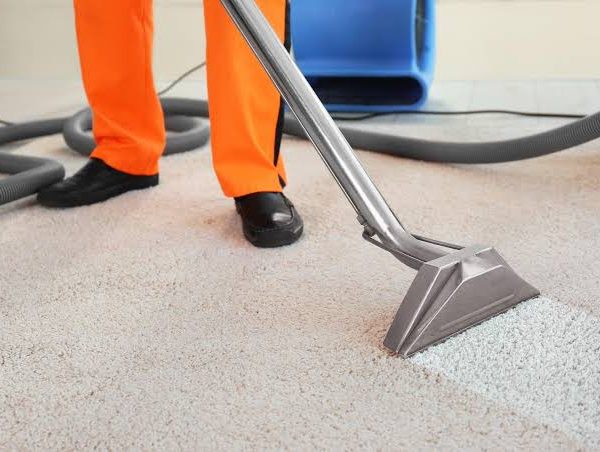
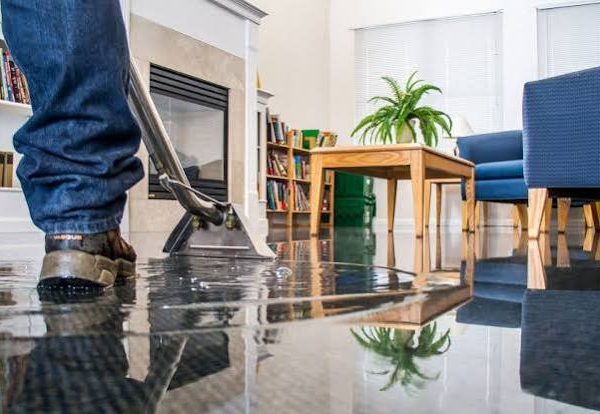
Removing standing water through professional suction equipment is the most critical step in the entire property mitigation process. Simply using domestic wet-dry vacuums or simple mopping tools is completely insufficient for pulling water out of dense carpet fibers, thick padding, and porous hardwood flooring. True restoration requires industrial truck-mounted systems that generate massive vacuum pressure to pull water out from deep within the floor layers.
Professional extraction tools use physical compression and high-volume suction simultaneously to squeeze water out of saturated materials safely. Technicians apply weighted subsurface extraction tools that use the operator’s weight to press down on carpet padding, forcing trapped water up into the high-vacuum suction path. This highly efficient extraction process removes the vast majority of the liquid, shortening the total drying time substantially.
Utilizing High Volume Truck Mounted Systems
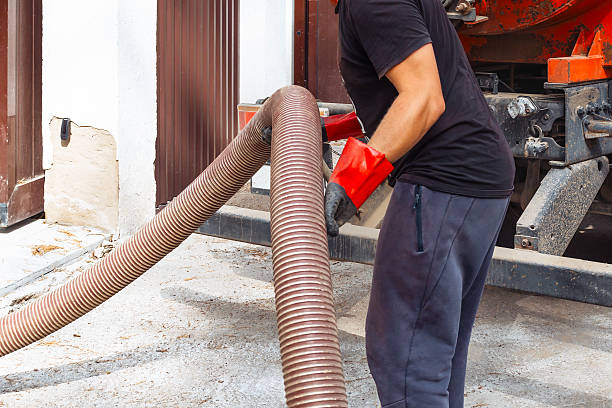
Truck-mounted extraction systems provide consistent vacuum lift and deep suction power that portable floor units simply cannot match. Investing in an experienced emergency water extraction service in Robesonia, PA brings this heavy-duty commercial equipment straight to your property line for rapid water removal. This high-powered equipment pulls water from deep structural pockets, preventing moisture from sinking further into your foundations.
Implementing Weighted Subsurface Extraction Tools
Saturated carpet padding holds onto water tightly, making it nearly impossible to dry using standard airflow tools alone without pulling up the carpet. Technicians address this issue by using specialized self-propelled or weighted extraction platforms that pull water straight out of the underlying pad through the carpet pile. This advanced extraction technique saves your expensive carpets and keeps your floor padding intact.
The Industrial Science of Psychrometric Drying
Once all standing surface liquid has been thoroughly extracted, the remaining moisture trapped inside the building materials must be evaporated using advanced climate controls. This phase relies on psychrometrics, the science of how temperature, humidity, and airflow interact to dry structural materials. Simply opening windows or running basic household fans will not lower the relative humidity enough to pull deep moisture out of wet framing wood.
Restoration crews manage this evaporation process by placing commercial dehumidifiers and high-velocity air movers strategically throughout the wet rooms. The air movers blow high-velocity air across wet surfaces, breaking up the thin layer of humid air sitting just above the material to accelerate natural evaporation. At the same time, industrial dehumidifiers pull that evaporated moisture straight out of the air, keeping the room dry and preventing secondary water damage.
Positioning High Velocity Air Movers Strategically
Industrial air movers are designed to direct concentrated, high-velocity airflow along the base of wet walls and across damp floors. This deliberate air movement pulls trapped moisture out of porous wood and drywall surfaces, shifting it safely into the air where dehumidifiers can capture it. Proper equipment placement ensures that every hidden corner receives sufficient airflow, preventing stagnant pockets of dampness.
Environmental Hazards of Delayed Mitigation
Delaying professional water removal by even twenty-four to forty-eight hours introduces serious environmental and health risks to an indoor living space. Microscopic mold spores exist naturally in the air and remain completely harmless until they encounter a stable source of moisture and organic food. Saturated drywall paper, wooden studs, and carpet backing provide the perfect food source for these spores to settle and multiply.
Once a mold colony takes root, it can spread through hidden wall cavities quickly, releasing airborne allergens that can compromise indoor air quality. Additionally, stagnant water can quickly degrade from clean water into gray or black water categories, harboring harmful bacteria and pathogens that pose health risks. Initiating professional water extraction immediately eliminates the moisture source, stopping biological growth before it can start.
Mitigating Microscopic Mold and Fungal Spores
Mold spores require only moisture, oxygen, and an organic food source to wake up and begin colonizing your property. Choosing a trusted emergency water extraction service in Robesonia, PA stops this biological clock by drying your structural framing below the threshold needed for mold growth. This rapid drying process protects your family’s health and saves you from the high costs of mold remediation.
Managing Categorized Black Water Biohazards
Water entering a home from outdoor ground flooding or backed-up sewer lines contains dangerous contaminants and pathogens that require specialized sanitization. Crews handle these biohazards by applying commercial-grade antimicrobial treatments safely across all affected surfaces during the extraction process. This thorough sanitation step kills harmful bacteria, ensuring your living areas are perfectly safe to inhabit again.
Preserving Specialty Hardwood and Tile Surfaces
Solid hardwood floors and natural stone tiling require specialized, highly precise extraction methods to prevent permanent warping and structural separation after a flood. When wood flooring absorbs water, the bottom of the boards expands faster than the top, causing the edges to lift in a damaging process known as cupping.
To save high-value wood flooring, technicians utilize specialized floor mat drying systems that seal tightly against the wood surface. These heavy-duty mats use negative pressure to draw trapped water vapor straight up through the wood pores and grain lines, reversing the cupping process safely. This advanced drying method allows property owners to preserve their beautiful hardwood floors, avoiding the high cost of complete floor replacement.
Preventing Substrate Delamination in Tile Fields
While ceramic tile surfaces are waterproof, the underlying grout lines and wooden subfloors are highly vulnerable to water intrusion. When water gets trapped beneath tile fields, it can loosen the thin-set mortar bond, causing individual tiles to tent, crack, or lift completely off the floor. Utilizing specialized injection drying systems forces dry air into these hidden spaces, drying the subfloor without removing your tile.
Navigating Property Documentation and Recovery
Managing the physical cleanup after a sudden indoor water disaster is only half the battle; documenting the property damage clearly is also essential for insurance claims. Property owners must capture detailed, clear photographic evidence of all affected areas, saturated building materials, and damaged personal belongings before any mitigation work begins. This thorough documentation serves as primary proof of loss, helping ensure a smooth, fair insurance claim process.
Professional restoration companies simplify this recovery process by providing comprehensive digital moisture logs, drying charts, and thermal imaging records. These detailed technical reports prove exactly how deep the water traveled and verify that the home was dried completely to industry standards. Having professional documentation helps ensure your insurance provider has all the facts needed to process your claim efficiently.
Documenting Loss with Digital Thermal Imagery
Thermal cameras reveal the exact boundaries of hidden water pockets behind solid walls, providing clear visual proof of structural damage. Utilizing a trusted water damage restoration in Robesonia, PA provides you with detailed thermal reports that document the full extent of the water intrusion clearly. This unambiguous evidence helps speed up claim approvals, ensuring you receive the necessary coverage for your property repairs.
Maintaining Accurate Daily Structural Drying Logs
Insurance adjusters require technical proof that your property was dried completely according to standard industry guidelines before they close a claim. Technicians maintain comprehensive daily logs that track ambient temperature, relative humidity levels, and moisture readings inside your walls. These detailed records prove your home is completely dry and safe, preventing future coverage disputes down the road.
Conclusion
Overcoming a sudden water intrusion event requires a well-coordinated balance of rapid response times, commercial suction equipment, and advanced environmental monitoring. From capturing hidden moisture migration with thermal cameras to extracting deep subsurface water and managing relative humidity, professional mitigation is essential for protecting your property. Leaving water unmanaged for even a few days leads to warped subfloors, ruined drywall, and dangerous mold colonies that threaten your indoor air quality.
When you encounter an unexpected plumbing break or severe weather flood, partnering with an experienced local restoration team removes the stress from property recovery. Booking a expert water damage restoration in Robesonia, PA ensures that your home or business is dried thoroughly, sanitized completely, and restored back to its original condition. By entrusting your property emergency to dedicated local craftsmen who understand industrial drying physics, you secure a safe, mold-free environment and protect the long-term value of your real estate investment for years to come.
FAQs
How quickly should an emergency water extraction process begin after an indoor pipe bursts? The extraction process should ideally begin within twenty-four hours of the initial water breach to minimize structural material degradation and prevent mold spores from colonizing the damp space.
Can my home’s carpets and padding be saved after an indoor clean water plumbing leak? Yes, if the water comes from a clean source like a water supply line and is extracted within twenty-four hours, the carpets and padding can usually be dried and saved successfully.
What is the core difference between a standard home dehumidifier and an industrial restoration unit? Industrial dehumidifiers are engineered to pull dozens of gallons of water from the air daily under extreme conditions, whereas residential units lack the airflow power needed for structural drying.
Will my homeowner’s insurance policy cover the costs of professional emergency water extraction services? Most standard property insurance policies cover sudden, accidental water damage events like burst pipes, provided the homeowner takes immediate action to mitigate the loss.
How long does a typical flooded room take to dry completely using industrial equipment? Most residential structural spaces require between three to five days of continuous equipment operation to reach safe, dry baseline moisture levels verified by digital meters.
Is it safe to leave my home’s air conditioning system running during a structural drying project? Yes, running your home’s central air conditioning system helps remove humidity from the air, working alongside industrial dehumidifiers to speed up the overall drying process.