When an unexpected leak or heavy storm floods your home, knowing what happens next can ease your mind during a stressful situation. Property owners often feel overwhelmed by the sudden mess and aren’t sure how professionals restore a water-damaged space. At Kauffmans Carpet Cleaning, we believe in keeping our clients informed so they can make the best decisions for their property. This walkthrough explains the exact process involved when you invest in water extraction services in Wyomissing, PA, ensuring your home is returned to its original state safely and efficiently.
The Initial Assessment And Professional Water Extraction Services
The process always begins with a detailed inspection. The moment our technicians arrive, they don’t just start pulling hoses; they use specialized moisture meters and thermal imaging cameras to map out the true boundaries of the water damage. This step is critical because water hides behind baseboards, under cabinets, and within insulation where the human eye cannot see it.
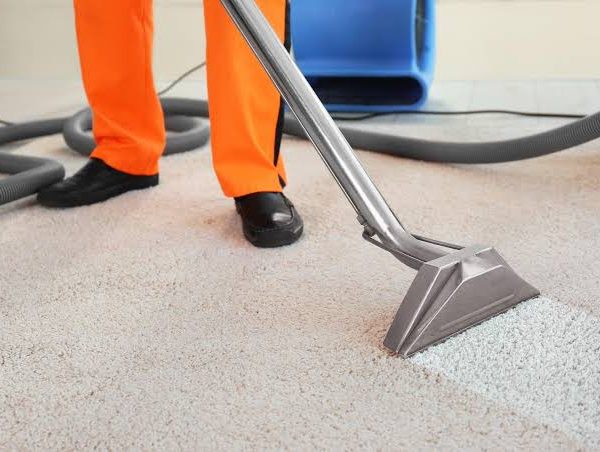
Working with clients in Wyomissing, PA, our team found that many people try to skip this diagnostic phase to save time, not realizing that hidden water will ruin structural framing within days. In Wyomissing, PA, we’ve noticed that most homeowners are surprised by how far water can travel upward through drywall via capillary action. Once the boundaries are established, Kauffman’s Carpet Cleaning deploys heavy-duty, truck-mounted extraction units. These machines use deep-extraction tools that apply pressure to carpet and padding, pulling out the maximum amount of liquid water before any drying equipment is turned on.
The Extraction And Structural Drying Phase
Once the bulk of the standing liquid is cleared through emergency water extraction, the focus shifts to the water trapped inside building materials. This is where the actual science of drying takes place. Technicians install a strategic layout of industrial air movers and low-grain refrigerant dehumidifiers. The air movers accelerate evaporation by blowing high-velocity air across wet surfaces, while the dehumidifiers pull that evaporated moisture out of the air so it doesn’t soak back into your ceilings.
A client in Wyomissing, PA reached out when they noticed their first-floor hardwood floors beginning to cup and buckle after a refrigerator line leak. Instead of tearing up the expensive wood, we set up specialized floor-mat extraction systems that pull moisture directly through the seams of the wood planks. By combining emergency water extraction with targeted sub-floor drying over four days, Kauffmans Carpet Cleaning saved the original hardwood completely. This real-world scenario highlights why a generic approach doesn’t work for historic or high-quality local properties.
A common objection customers have that competitors ignore is the noise and heat generated by the drying equipment. Many companies just turn the machines on and leave without explaining that these units must run 24/7 to prevent mold. At Kauffmans Carpet Cleaning, we take the time to explain the power requirements and comfort adjustments needed so you aren’t shocked by the temporary disruption in your home.
How Kauffman’s Carpet Cleaning Monitors Your Property
The step-by-step process doesn’t end once the equipment is placed. Daily monitoring is essential to track the drying progress. Our team returns to your property every 24 hours to take new moisture readings and compare them against a “dry standard”—a reading taken from an unaffected room in your house. This ensures that we aren’t guessing when the job is done.
A question competitors deliberately avoid answering is: “How do you know when it’s truly safe to pull the equipment out?” Many companies rely on the “touch test,” which is highly inaccurate. Kauffmans Carpet Cleaning uses penetrating and non-penetrating meters to measure the actual moisture content percentage inside your studs and subfloors. We do not remove our equipment until the data proves the materials have returned to their normal, safe baseline.
A unique insight that generic articles never mention is that over-drying can actually damage your home just as much as under-drying. If a contractor leaves industrial dehumidifiers running too long in a historic Wyomissing home, it can cause vintage wood trim, plaster, and antique doors to crack and warp due to extreme lack of humidity. Kauffmans Carpet Cleaning carefully balances the grain depression in the air to protect your home’s historic character while still eliminating the flood risk.
Sanitization And Final Steps Before Completion
The final stage of professional water extraction services in Wyomissing, PA involves cleaning and sanitizing the treated areas. Water from broken appliances or ground flooding carries contaminants that can compromise indoor air quality. Technicians apply EPA-approved antimicrobials to prevent mold spores from activating, focusing heavily on areas like carpet backing and sill plates.
In Wyomissing, PA, we’ve noticed that most homeowners forget to check their basement floor drains after a heavy extraction job. Local drainage systems can experience backpressure during heavy Berks County rains, meaning a cleared room can easily re-contaminate if the floor drain isn’t properly sanitized and cleared of debris. As a final step, Kauffmans Carpet Cleaning performs a deep cosmetic cleaning of any affected carpets, restoring the pile and removing any faint water stains left behind by the incident.
Conclusion
Following a structured, scientific approach is the only way to guarantee your home is safe from long-term rot and structural weakness. If you are facing unexpected flooding or want a professional assessment of a recent leak, don’t wait for the damage to spread. Call Kauffmans Carpet Cleaning today for dependable water extraction services in Wyomissing, PA, and let our team safely guide your home back to normal.
FAQ’s
How long does the entire step-by-step water extraction process take?
The initial emergency water extraction usually takes between 2 to 4 hours depending on the size of the flooded area. However, the subsequent structural drying and dehumidification step must run continuously for 3 to 5 days to ensure all hidden moisture is thoroughly removed from the walls and subflooring.
What is the average cost for professional water extraction services?
For a standard residential space, initial water removal costs typically range between $500 and $1,500. The total investment depends on the water category (clean vs. sewage) and how many structural materials require industrial drying equipment. Kauffmans Carpet Cleaning provides honest, upfront pricing before our technicians begin extraction.
How do I know Kauffmans Carpet Cleaning is qualified for this work?
We are a fully licensed and insured local business serving Berks County with years of hands-on experience. Our team uses commercial-grade moisture tracking technology and adheres strictly to industry-standard drying protocols, ensuring your property is treated with the highest level of professional care and expertise.
Can I walk on my carpets while the drying equipment is running?
It is best to limit foot traffic as much as possible during the drying phase. Walking on wet carpets can damage the backing and spread remaining moisture. Kauffmans Carpet Cleaning sets up contained drying zones so you can safely access the rest of your home while our equipment performs the necessary water extraction near me.
Why shouldn’t I just use household fans for water extraction near me?
Household fans only circulate surface air; they lack the static pressure needed to pull deep moisture out of drywall studs and carpet padding. Leaving this moisture behind guarantees mold growth within 48 hours. Investing in professional water extraction services ensures the deep structural elements are completely dry.